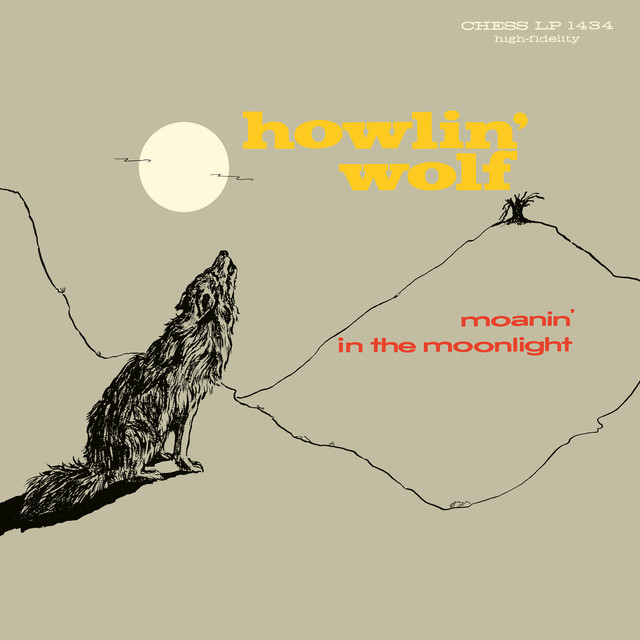
Industrial Shadows and Southern Blues
Howlin' Wolf's "Smokestack Lightnin'" isn’t just a blues classic; it’s a vivid commentary on the mechanized heart of America. Released in 1956 on the album of the same name, the song invokes the ghostly presence of smokestacks, symbols of the industrial revolution that reshaped the American landscape.
The Symbolism of Smokestacks
In the song, smokestacks rise like ominous sentinels over the horizon, tethering the blues to the realities of industrial life. The repeated mention of these structures encapsulates the duality of progress and decay, a tension that permeates the fabric of American society. The imagery evokes a sense of entrapment; workers are often reduced to mere cogs in a larger machine.
"Smokestack lightnin', shinin' just like gold"
This line captures the allure of industrialization, drawing in individuals with promises of wealth and opportunity, while simultaneously casting a long shadow over their freedom. The smokestacks symbolize both the industrial might of America and the existential weight that accompanies it.
A Bluesman's Discontent
Wolf himself had a complicated relationship with the music that defined his career. Despite the song's success, he was not fond of the album's psychedelic rock arrangements, which diluted the raw power of his blues roots. His distaste is evident in how he delivered his performances — visceral and electric, often overshadowing the polished production.
Howlin' Wolf's "Smokestack Lightnin'" has been covered by numerous artists, including the Grateful Dead, who infused it with a psychedelic rock flavor that Wolf himself disdained.
The Blues as a Reflection of Industrial America
The industrial revolution transformed the American landscape, and the blues emerged as a voice for the disenfranchised. Wolf's music articulated the struggles of black workers who faced the harsh realities of factory life. The smokestacks loom large not only in the physical space but also in the psyche of those who labor beneath their shadows.
"And if you see my baby, please send her home to me"
This yearning reinforces the emotional toll of industrial life. The smokestacks signify not just a physical environment but a metaphor for lost connections and the longing for something more than the grind of work.
Legacy and Cultural Impact
"Smokestack Lightnin'" remains a powerful symbol of Howlin' Wolf’s legacy. It’s a reminder that music can articulate the struggles of a generation, reflecting the societal changes that were occurring during the mid-20th century. The song has transcended its time, becoming an anthem for those who feel trapped in the machinery of modern life.
In a world where the echoes of smokestacks can still be heard, Wolf's haunting imagery serves as a reminder of our industrial past and the blues that continue to flow from it. His music is a call to remember the human cost of progress, a theme that resonates as strongly today as it did in the 1950s.