Breaking the Mold
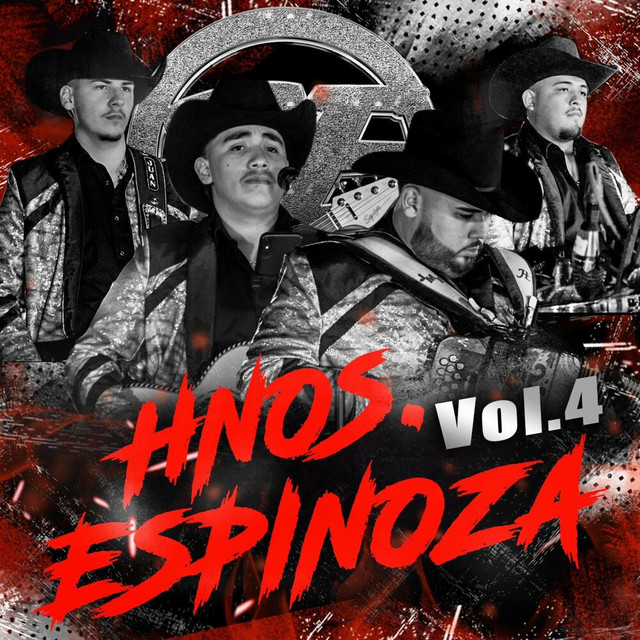
Released in 2021, "El Ayudante" by Hermanos Espinoza offers a refreshing take on the archetypal drug trafficker narrative prevalent in Latin music. This regional Mexican track stands out not just for its catchy melody but for its bold lyrical content that complicates our understanding of those involved in the drug trade.
While many songs in the genre glorify the lifestyle of drug lords, Espinoza shifts the focus to the figure of the helper, or 'ayudante.' This character challenges the conventional image of ruthless criminals, instead presenting a more human side to those often seen as mere cogs in a larger machine. The lyric
translates to "I am not the one in charge, just an ally in the shadows," encapsulating this shift in perspective."No soy quien manda, solo un aliado en la sombra"
The Complexity of Loyalty
In "El Ayudante," loyalty is portrayed not as blind allegiance but as a complex web of relationships and moral choices. The ayudante is depicted as someone who navigates a treacherous world, driven by personal ties rather than the allure of power or wealth. This perspective humanizes the character and invites listeners to consider the circumstances that lead individuals into the drug trade.
Espinoza’s lyrics articulate the struggle of balancing personal integrity with the harsh realities of survival. The line
means "I do what I must, even if the path is dark." This reflects a sense of agency and moral conflict, emphasizing that not all who work in this world are devoid of conscience."Hago lo que debo, aunque el camino es oscuro"
A Cultural Commentary
The song also serves as a commentary on societal perceptions of drug traffickers. By naming the ayudante, Espinoza brings to light the often-overlooked roles that support the drug trade, framing them as individuals with stories and struggles. This is a departure from the glamorization of power that often dominates the genre, encouraging listeners to engage with the narrative on a deeper level.
Moreover, the production complements the lyrical content. The upbeat accordion riffs and tight rhythms create an engaging atmosphere that contrasts with the gravity of the subject matter. The arrangement captures the essence of traditional regional Mexican music while allowing for a modern interpretation that resonates with younger audiences.
Hermanos Espinoza is known for their ability to blend traditional Mexican sounds with contemporary themes, making their music accessible and relevant.
Redefining Masculinity
Another significant aspect of "El Ayudante" is its exploration of masculinity. The ayudante is not a hyper-masculinized figure wielding power; instead, he is portrayed as vulnerable yet resilient. This portrayal challenges the toxic masculinity often associated with drug culture, presenting a more nuanced view of what it means to be a man in a high-stakes environment.
Lines like
reveal that strength does not preclude vulnerability. This emotional honesty can resonate with listeners who may feel trapped by traditional gender norms, making the song a powerful anthem for those seeking to redefine masculinity."No siempre soy fuerte, a veces lloro en silencio"
A Shift in the Narrative
Ultimately, "El Ayudante" is a bold statement within the regional Mexican genre. It challenges the glorified narratives surrounding drug trafficking by focusing on the human aspects of those involved. Hermanos Espinoza invites listeners to rethink their perceptions and consider the broader implications of these stories.
The song’s impact lies in its ability to spark conversations about morality, loyalty, and identity within the context of drug trafficking. As the genre continues to evolve, tracks like "El Ayudante" pave the way for a more nuanced understanding of the complexities surrounding this issue, encouraging a shift from simple narratives to more profound explorations of human experience.