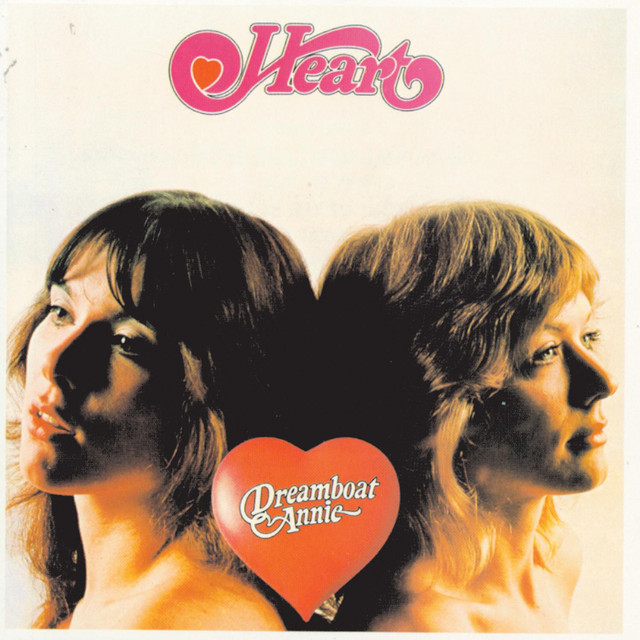
Heart's Breakout Anthem
Released in 1975 as part of their debut album Dreamboat Annie, Heart's "Magic Man" catapulted the band into the rock limelight. The track, co-written by sisters Ann and Nancy Wilson, showcases a blend of hard rock and progressive elements that would define Heart's early sound. Yet, beneath its catchy hooks and soaring vocals lies a story of seduction, manipulation, and the complexities of love.
The Real-Life Inspiration
At the heart of "Magic Man" is a narrative inspired by Ann Wilson's relationship with a much older man, who was not only a romantic interest but also a figure who exerted a strong influence on her life and career. The song's lyrics reflect the intoxicating allure and eventual disillusionment that often accompany such relationships. Ann herself has described this man as a 'magical' figure, one who captivated her youthful spirit but also left her with feelings of confusion and heartbreak.
"He’s a magic man, mama / He’s a magic man"
This repetition underscores the enchanting, yet deceptive nature of the relationship. The 'magic' here is not purely positive; it hints at the charms that can ensnare someone, leading them into a complex web of emotional turmoil.
More Than Just a Muse
Ann's experience with this 'Magic Man' is more than just personal; it's emblematic of a broader theme in women's rock music during the 1970s. At a time when female artists were often relegated to the sidelines, Heart's portrayal of a strong, independent woman grappling with her emotional landscape was revolutionary. The band carved a space that allowed them to explore themes of desire and vulnerability in a way that resonated with many listeners.
Interestingly, "Magic Man" became a defining track for Heart, reaching #9 on the Billboard Hot 100 and solidifying their status as rock icons. The song's success was a testament to the band's ability to fuse personal narrative with universal themes.
The Sound of Seduction
The production of "Magic Man" further enhances its allure. Produced by Mike Flicker, the song features a blend of electric guitar riffs and soulful melodies that mirror Ann's emotional highs and lows. The instrumental arrangement complements the lyrical content, creating a soundscape that feels both enchanting and haunting.
"And if you want to be free / You can be with me"
These lines encapsulate the paradox of the relationship: the promise of freedom juxtaposed against the chains of emotional dependency. It’s the kind of line that lingers, prompting listeners to reflect on their own experiences with love and manipulation.
Legacy of 'Magic Man'
Decades later, "Magic Man" remains a staple of classic rock radio and a favorite among fans. The song's raw energy and relatable themes have allowed it to endure over the years. Ann Wilson's powerful vocals continue to inspire a new generation of artists, proving that the story behind the song is as compelling as the music itself.
Ultimately, the 'Magic Man' represents not just a singular figure in Ann Wilson's life, but a complex exploration of desire, power, and the inherent risks of falling for someone who seems too good to be true. Heart's ability to weave personal experience with broader themes of love and heartbreak makes "Magic Man" not just a song, but a timeless anthem for anyone who has ever been enchanted by a 'magic' that ultimately proved to be double-edged.