A Song's Journey
'Alone' is a remarkable story of transformation. Originally recorded by i-Ten in 1983 for their album Taking a Cold Look, the song was a modest hit, but it didn’t achieve the greatness it deserved until Heart took it on in 1987. The band, already a staple in rock, infused the track with a sense of urgency that was absent in its earlier form.
The Heart Take
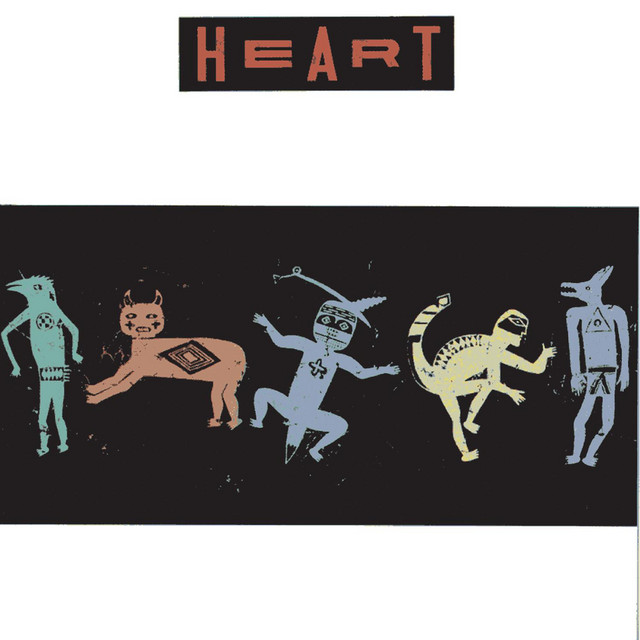
When Heart released their version as part of the album Bad Animals, the production was reimagined under the guidance of producer Ron Nevison. The soaring synths and powerful drums created a backdrop that perfectly matched Ann Wilson's legendary vocal performance. The energy was palpable, and the emotional depth of the lyrics was brought to the forefront.
"'Cause I can't stop the way I feel, / It's like a dream that's never real"
These lines highlight the raw vulnerability that Heart's rendition conveys, elevating the song from a simple love ballad to an anthem of heartache and longing.
The Chart-Topping Impact
Upon its release, 'Alone' soared to number one on the Billboard Hot 100, becoming one of Heart's signature songs. The combination of Wilson's powerful delivery and the anthemic chorus made it impossible to ignore. Fans connected with the song's theme of isolation and yearning, finding solace in its emotional resonance.
From Demo to Anthem
The original demo, while competent, lacked the grandeur that would later define Heart's version. The i-Ten recording feels more like a whisper, whereas Heart's rendition shouts its message from the rooftops. The contrast in production styles is a testament to how an artist's interpretation can completely alter the perception of a song.
Interesting fact: 'Alone' was Heart's first number one hit in the U.S., marking a significant milestone in their career.
Legacy and Influence
Heart's 'Alone' remains a staple in the rock genre, influencing countless artists and often covered in various styles. Its emotional core continues to resonate with new generations, proving that a well-crafted song can transcend its original context. The evolution from demo to hit showcases not just the band's talent but also the power of interpretation in music.