Calypso and Activism: More Than Just a Dance
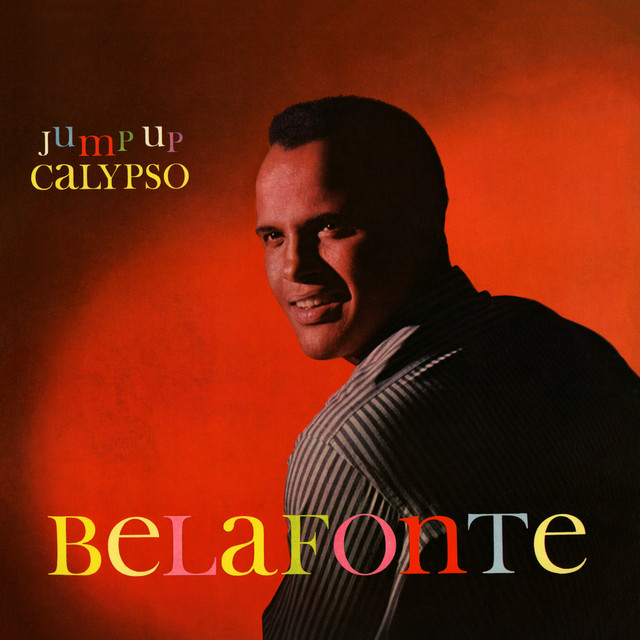
When Harry Belafonte recorded "Jump in the Line (Shake, Senora)" in 1961, few could predict its profound impact beyond the dance floor. Originally composed by calypso legend Lord Kitchener, the track found new life in Belafonte’s hands, becoming a staple of his Jump Up Calypso album. Released by RCA Victor, this high-energy song, backed by The Trinidad Steel Band, became synonymous with joy and celebration, yet its roots in social activism run deep.
The Soundtrack of the Civil Rights Movement
Belafonte was not just a performer; he was an outspoken advocate for civil rights. During the 1960s, as America faced the upheaval of the civil rights movement, Belafonte utilized his platform to uplift the voices of the oppressed. "Jump in the Line" became more than a catchy tune; it was a song that encouraged unity and resilience among those fighting for equality.
Lyrics as a Rallying Cry
The infectious rhythm and playful lyrics of "Jump in the Line" perfectly captured the spirit of the times. The chorus, which calls listeners to join in, can be interpreted as an invitation to collective action.
This line, while emphasizing fun, served a dual purpose. It was a reminder that joy could coexist with the struggle for justice."Jump in the line, rock your body in time"
Community and Celebration
Belafonte understood that the fight for civil rights was not solely about protests and speeches; it was also about community and resilience. In an era where the African American community faced harsh realities, music became a vital tool for empowerment. His concerts often doubled as fundraising events for civil rights organizations. The upbeat performance of "Jump in the Line" galvanized audiences, transforming collective pain into a shared celebration of culture and heritage.
Belafonte was deeply involved with Martin Luther King Jr. and other civil rights leaders, using his fame to further their causes.
A Lasting Legacy
In 1961, the success of Jump Up Calypso cemented Belafonte’s status as the King of Calypso, but it also marked him as a pivotal figure in the civil rights movement. His version of "Jump in the Line" continues to echo in modern contexts, reminding new generations of the power of music as a tool for activism. The song's infectious energy provides a stark contrast to the struggles of the era, underscoring the necessity of joy amidst adversity.
Conclusion: The Power of Dance
As we look back on the legacy of Harry Belafonte and his contributions to both music and civil rights, "Jump in the Line" stands out as a testament to the duality of joy and resistance. The song remains a vibrant reminder that in the face of oppression, the spirit of community and the joy of dance can ignite a powerful movement for change.