The Sound of a Movement
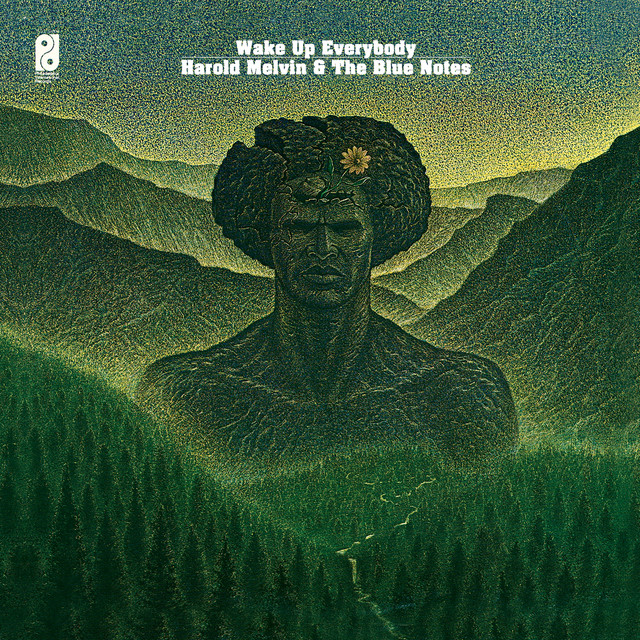
Released in 1975 on the album of the same name, "Wake Up Everybody" by Harold Melvin & The Blue Notes, featuring the iconic Teddy Pendergrass, transcended the boundaries of R&B and became an anthem for the civil rights movement. Written by John Whitehead, Gene McFadden, and Victor Carstarphen, the song’s infectious groove and powerful message ignited a call to action in a time of social unrest.
Lyrics That Inspire Change
The lyrics of the song directly address societal issues, urging listeners to take responsibility for the world around them. Pendergrass's soulful delivery of the line,
encapsulates the urgency of the moment. It’s a reminder that education and awareness are pivotal in shaping a more equitable society."Wake up, all the teachers, time to teach a new way"
In the 1970s, America was rife with challenges including racial inequality, economic strife, and the aftermath of the Vietnam War. The song's call for collective awakening resonated with a generation determined to incite change. Its message was not just about personal accountability but a broader societal responsibility.
A Cultural Touchstone
Musically, the song blends lush orchestration with a funky beat, characteristic of the Philadelphia soul sound that defined the era. This genre, known for its smooth melodies and socially conscious lyrics, provided a perfect backdrop for Pendergrass’s impassioned vocals. The production, led by the legendary Kenny Gamble and Leon Huff, ensured that the song was not only a commercial success but also a cultural touchstone.
Teddy Pendergrass was initially the drummer for Harold Melvin & The Blue Notes before stepping into the spotlight as the lead vocalist, where he would ultimately define the group’s legacy.
The Impact on Civil Rights
In the context of the civil rights movement, "Wake Up Everybody" served as a reminder of the ongoing struggle for equality. Activists played the song at rallies and protests, using its message to inspire hope and action. The call to wake up and take notice of injustices was more than just a lyrical theme; it was a rallying cry that echoed through the streets of cities like Philadelphia and beyond.
The year 1975 was significant — it marked a period of transition in America, where the fight for civil rights had evolved from the passionate demonstrations of the 1960s into a more widespread cultural movement. The song helped articulate the frustrations of a populace eager for change while also celebrating the progress made.
A Legacy of Activism
Today, the song remains relevant, often revisited in discussions about social justice and activism. Its themes of unity and responsibility are timeless, making it a staple in the playlists of modern movements fighting against inequality. Musicians and activists alike continue to draw from its potent message, proving that the call to action is as necessary now as it was nearly five decades ago.
In an era where music often serves as a backdrop to social movements, "Wake Up Everybody" stands out as an example of how R&B can be more than just entertainment. It is a powerful reminder that art has the ability to influence change, inspire hope, and ignite a collective consciousness.