Blending Genres in a Pop Landscape
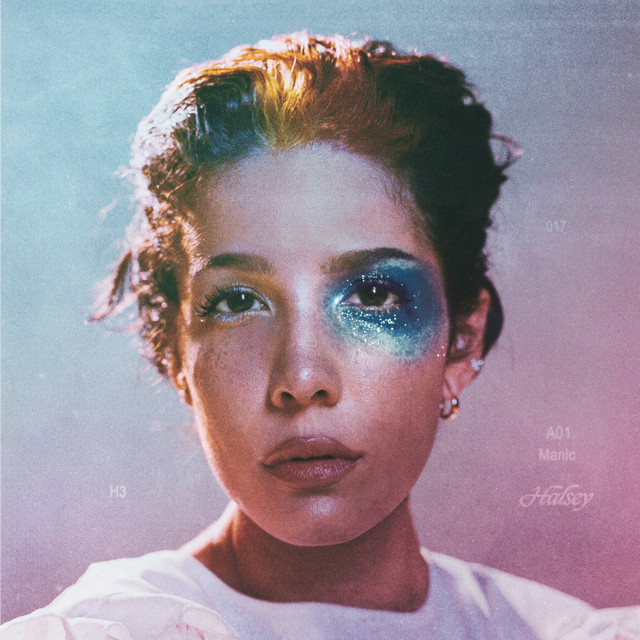
Halsey has never been one to shy away from genre experimentation, and her 2020 single "You Should Be Sad" is a prime example. Released as part of her album Manic, this track intertwines pop sensibilities with unexpected country influences, creating a sound that feels both fresh and nostalgic. The song's production features twangy guitar riffs and a steady rhythm that could easily belong on a country radio playlist.
Lyricism Meets Southern Storytelling
At its core, "You Should Be Sad" tells a story of heartbreak and betrayal, employing a narrative style that feels at home in classic country songwriting. Halsey’s lyrics capture raw emotion, shining a light on the pain of a relationship gone wrong. The way she delivers lines about loss and regret brings to mind the storytelling tradition of country music.
"You should be sad, you should be sad / But I don’t want to be sad anymore"
The juxtaposition of sadness with defiance in these lyrics adds depth to the song, reminiscent of country anthems that explore personal struggles. Halsey is not merely lamenting her fate; she’s asserting her resilience, an attitude often found in the genre.
Production Choices Reflecting Country Roots
The production of the track, helmed by frequent collaborator Greg Kurstin, incorporates elements that are distinctly country-inspired. The use of acoustic guitar and subtle banjo accents create an atmosphere that feels grounded yet elevated, merging the polished sheen of pop with the organic feel of Americana.
Halsey described the song as a cathartic release, reflecting her own experiences with heartbreak.
Visuals That Echo the Sound
The music video for "You Should Be Sad" enhances this country influence, featuring imagery that evokes classic country themes while embracing a more modern aesthetic. Halsey’s striking visuals—including cowboy hats and a rebellious spirit—further blur the lines between pop and country, making a statement about genre boundaries.
Reclaiming the Narrative
Halsey’s choice to explore these influences is both daring and refreshing. In a genre often dominated by male narratives, her perspective as a woman experiencing betrayal adds a unique layer. She reclaims her voice and power, aligning with the themes of many country songs that empower women to stand up against heartache.
"You should be sad, you should be sad / But I don’t want to be sad anymore"
This refrain serves as an anthem of empowerment, urging listeners to move on from toxic relationships, a sentiment that resonates across genres.
The Broader Implications for Halsey
With "You Should Be Sad," Halsey not only showcases her versatility as an artist but also pushes the boundaries of what pop music can be. By embracing country influences, she challenges the genre’s confines and invites fans from various musical backgrounds to connect with her work.
As she continues to evolve, Halsey’s ability to blend genres will likely inspire others to explore the intersections of musical styles, paving the way for a more inclusive and diverse music scene. "You Should Be Sad" serves as a testament to the power of genre fluidity in modern music.