The Birth of a Classic
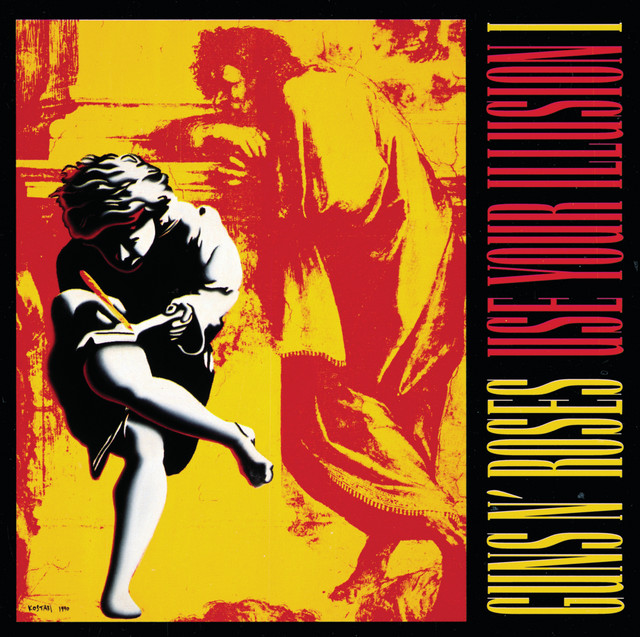
Released in 1991 as part of the ambitious double albums Use Your Illusion I and Use Your Illusion II, "Don't Cry" marked a significant moment in rock history. The song, produced by Mike Clink, stands out for its emotional weight, a departure from the raw, aggressive energy that defined much of Guns N' Roses' earlier work.
What makes the track particularly compelling is its dual release. While both versions share the same fundamental melody and themes of heartbreak and resilience, the emotional delivery varies. The original version showcases Axl Rose's haunting vocal performance against a backdrop of sweeping guitar work, setting a standard for rock ballads in the decade.
A Template for 90s Rock Ballads
In many ways, "Don't Cry" served as a blueprint for the rock ballads that followed. The 90s saw a surge of bands trying to capture that emotional intensity, often blending hard rock with lyrical vulnerability. Tracks like Pearl Jam’s “Black” and Nirvana’s “All Apologies” echo the sentiment found in Rose's lyrics, where pain is both a personal and universal experience.
"Don't you cry tonight / For there's a heaven above you"
This sentiment reflects a unique blend of optimism and despair, allowing listeners to find solace in their struggles. The contrast of the lyrics with the music creates an emotional landscape that many artists sought to replicate.
The Shift in Rock Dynamics
As grunge took hold in the early 90s, the landscape of rock began to shift. The raw authenticity of bands like Soundgarden and Alice in Chains brought a different flavor to the ballad. However, the groundwork laid by "Don't Cry" remained influential. The emotional depth and melodic structure of the song helped elevate ballads beyond mere love songs, embedding them within the genre's fabric.
Even as alternative rock became dominant, the influence of Guns N' Roses lingered. The band's ability to fuse hard rock with melodic hooks proved that vulnerability could coexist with power. This paved the way for bands like Staind and Creed, who would later explore similar themes.
Legacy and Influence
Today, the impact of "Don't Cry" is unmistakable. Its influence can be traced in countless modern rock ballads, demonstrating that the emotional core of rock music is timeless. The song has been covered by a variety of artists, from pop icons to metal bands, each bringing their own interpretation while paying homage to its original spirit.
Interesting fact: "Don't Cry" was one of the first songs to feature a music video that alternated footage of the band performing with narrative scenes, enhancing its emotional depth.
The lasting legacy of "Don't Cry" is not just in its chart success or its place in rock history; it's in how it taught a generation of musicians to embrace their emotions. The song’s heart-wrenching exploration of loss and longing resonates even today, proving that the vulnerability expressed in rock music can create lasting connections with listeners.
Conclusion: An Enduring Influence
In an era defined by excess and bravado, Guns N' Roses carved out a space for sincerity and depth with "Don't Cry." The song's complex emotional landscape and its duality of hope and despair have influenced a multitude of artists and genres over the decades. As we look back on its impact, it's clear that this iconic ballad continues to shape the way rock music approaches vulnerability, ensuring its relevance for years to come.