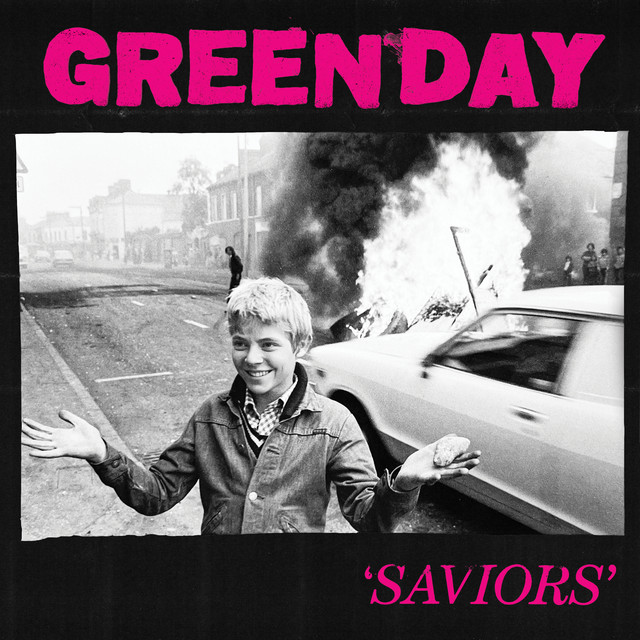
Unpacking 'One Eyed Bastard'
With the release of "One Eyed Bastard" from their fourteenth studio album, Saviors, Green Day continues to push beyond their punk roots into more personal and introspective territory. Billie Joe Armstrong's lyrics in this track are a visceral reflection of his struggles with betrayal, a theme that permeates the album and hints at deeper emotional battles.
The Weight of Betrayal
"One Eyed Bastard" is a stark confrontation with the pain of being let down by those you trust. Armstrong's raw vocal delivery conveys a sense of urgency and anguish, inviting listeners into his world of disillusionment. The song captures the essence of feeling isolated in a landscape filled with treachery, as he sings about the scars left by such experiences.
Lyrics that Hit Hard
The lyric,
illustrates this internal conflict. Here, Armstrong grapples with self-deception, acknowledging that the source of his pain may also reside within. This moment of clarity, albeit painful, reflects a significant shift in his perspective — the realization that betrayal often comes hand-in-hand with self-betrayal."I was blind, but now I see, the one-eyed bastard in me,"
A Personal Narrative
Armstrong's journey through betrayal is not just a personal story but one that many can relate to. The anguish in the chorus, characterized by its anthemic quality, invites fans to share in his catharsis. The song becomes a rallying cry for those who have faced similar disillusionments, turning personal pain into a collective experience.
The Context of Saviors
Released in January 2024, Saviors marks a new era for Green Day, both musically and thematically. Produced with a focus on authenticity, the album navigates complex emotions and societal issues, and "One Eyed Bastard" is a prime example of this approach. The instrumentation complements Armstrong's lyrics, with a driving rhythm that mirrors the tension in the narrative.
Musical Elements Enhancing the Message
The song's arrangement builds an atmosphere of urgency, with guitars that cut through the mix like a knife, echoing the sharpness of Armstrong’s words. The tension between the musical aggression and the lyrical vulnerability creates a compelling contrast, heightening the emotional weight of the message. This duality is where Green Day excels, and it is evident in "One Eyed Bastard."
Conclusion: A Reflection of Growth
Ultimately, "One Eyed Bastard" serves as a testament to Billie Joe Armstrong's growth as a songwriter and a person. By confronting the demons of betrayal, he not only shares his personal narrative but also invites listeners to reflect on their own experiences. This track stands as a reminder that while betrayal can cut deep, it can also lead to profound self-discovery and resilience.
Green Day has been a staple in punk rock since 1989, and with over 200 songs to their name, their evolution continues to captivate audiences.