The 90s Backdrop
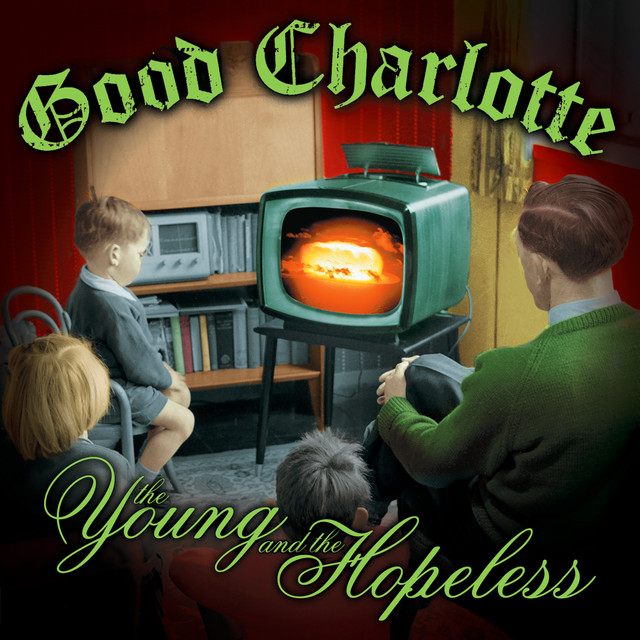
Good Charlotte’s "Girls & Boys," from their 2002 album *The Young and the Hopeless*, is a product of its time, reflecting a cultural milieu steeped in the contradictions of the 90s. The song's upbeat punk-pop sound belies a deeper commentary on gender roles and societal expectations, drawing inspiration from the era’s pop culture phenomena.
Released during a period when boy bands and girl groups dominated the charts, Good Charlotte’s lyrics challenge the superficiality found in the media’s portrayal of youth. The line,
succinctly critiques the materialistic values that were rampant in 90s pop culture, suggesting that girls were often reduced to stereotypes rather than celebrated for their individuality."Girls don’t like boys, girls like cars and money"
Reflections on Gender Dynamics
In the 90s, girls faced strict societal norms that dictated their roles, often leading to a sense of being unwanted or undervalued. Good Charlotte’s song taps into this sentiment, highlighting how boys and girls were raised differently, often to their detriment. While boys were often encouraged to pursue ambitions, girls were frequently told to conform to a narrow set of expectations.
The chorus serves as a rallying cry, showcasing the frustration that arises when societal pressures clash with personal identity. The lyric
underscores the confusion and chaos of navigating relationships in a world that imposes strict definitions on gender behaviors."With a girl like that, you’ve gotta be crazy"
Cultural References and Implications
Good Charlotte cleverly references the 90s fixation on surface-level aesthetics, reminiscent of the glamorization seen in films like *Girls! Girls! Girls!* or the superficial narratives of shows like *Beverly Hills, 90210*. These cultural markers shaped perceptions of love and relationships, often sidelining genuine connection in favor of materialism.
Interestingly, the song's energetic vibe contrasts with its serious message, a hallmark of 90s pop punk, where upbeat melodies often masked deeper issues.
The song's production, helmed by Eric Valentine, perfectly captures the pop-punk sound that was peaking in the early 2000s, drawing from 90s influences while pushing the genre forward. The playful yet biting nature of the lyrics reflects a generation grappling with identity and expectations.
Legacy and Continued Relevance
As we revisit "Girls & Boys" in the context of today’s conversations around gender and societal norms, its critique remains relevant. The increasing visibility of gender fluidity and the push for equality makes Good Charlotte’s observations strikingly prescient. The lines drawn in the song about the pressures of conforming to traditional gender norms resonate with younger listeners navigating their own identities.
Ultimately, "Girls & Boys" serves not just as a snapshot of 90s angst, but as a commentary on the repercussions of a culture that often disregards the complexities of gender. Good Charlotte captures the essence of an era while pushing for a broader understanding of what it means to be young, free, and true to oneself.