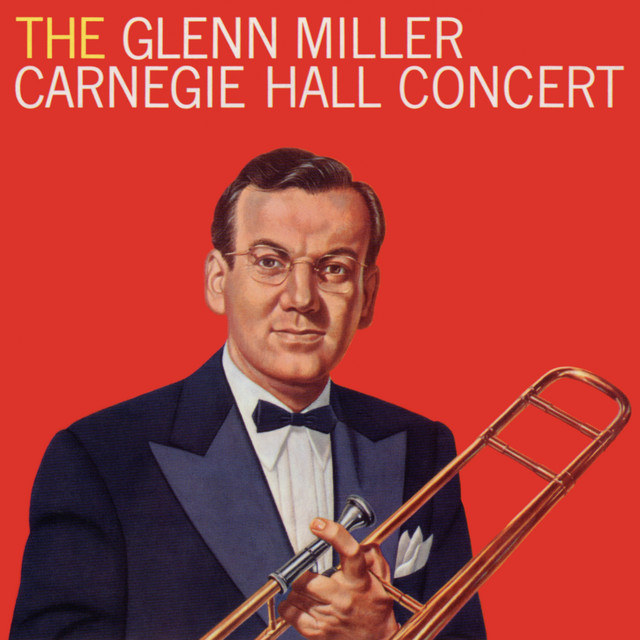
From Dance Halls to Battlefields
When Glenn Miller's band took to the stage in the late 1930s, they were more than just a swing dance band; they were a cultural phenomenon. Formed in 1938, Glenn Miller and His Orchestra defined the sound of an era with their distinctive arrangements, characterized by a clarinet and tenor saxophone harmony that became their hallmark. 'In the Mood,' first recorded in 1939, quickly emerged as their signature tune, not just for its infectious rhythm but for its embodiment of the swing era's energy.
The Band's Dynamic Evolution
Miller's approach to 'In the Mood' evolved significantly over his touring years. Initially, the song was a straightforward dance number, but as the war loomed and the country changed, so did the interpretation of this classic. Amidst the backdrop of World War II, the live performances of 'In the Mood' took on a new significance. The upbeat tempo and lively brass sections became a rallying cry for troops and a source of solace for families back home.
A Soundtrack for Unity
During his time as an officer in the US Army Air Forces, Miller continued to perform, bringing his band to military audiences. This period added a layer of camaraderie to 'In the Mood.' The song's once purely recreational vibe transformed into an anthem of hope. The swing rhythms that once filled dance halls now filled military camps, reminding listeners of home and normalcy amid chaos.
Capturing the Essence of the Era
One of the most fascinating aspects of 'In the Mood' is its ability to adapt. The orchestral arrangement features the iconic saxophone solo that became a staple of swing music. Miller's innovative use of dynamics and rhythm allowed the song to evolve from a dance track to a piece of music that resonated with the collective consciousness of a nation. Audiences weren't just dancing; they were celebrating resilience.
The Impact of Live Performances
Live performances of 'In the Mood' showcased Miller's unique ability to engage with audiences. Each rendition was slightly different, incorporating improvisation that kept the music fresh. The spontaneous energy of these shows made each performance a unique experience, as fans were swept away by the exuberance of the band. In this context, 'In the Mood' became more than just a song; it was a shared experience.
Legacy Beyond the War
Even after Miller's disappearance in 1944, 'In the Mood' continued to evolve. Subsequent generations of musicians have revisited the song, each bringing their interpretation while paying homage to the original. This enduring quality speaks to the song's foundational role in American music history. The echoes of Miller's brass band still resonate in contemporary jazz and pop, proving the song's timelessness.
Conclusion: A Song for All Seasons
'In the Mood' is not just a reflection of its time; it is a testament to the power of music in unifying people across generations. Its journey from a lively dance tune to a symbol of hope during wartime illustrates the transformative nature of music. Glenn Miller's legacy, encapsulated in this iconic track, continues to inspire and uplift, proving that the spirit of swing is eternal.
Did you know? Glenn Miller's band was among the first to use the electric guitar in a big band setting, showcasing their innovative approach to swing music.