Shifting Gears in the Blues
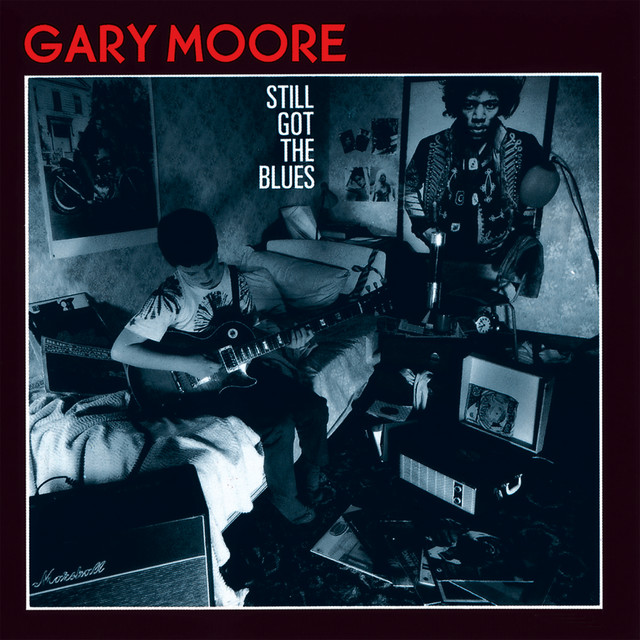
When Gary Moore released Still Got The Blues in March 1990, it marked a pivotal moment not just in his career but in the blues genre itself. This eighth solo studio album transitioned Moore from his hard rock roots into a more soulful and introspective sound, effectively redefining what blues-rock could be.
The album, produced by Moore himself, features a blend of emotional depth and technical prowess that showcased his evolution as a musician. The title track, Still Got the Blues (For You), is a prime example of this metamorphosis, marrying heartfelt lyrics with soaring guitar solos that are both expressive and technically brilliant.
Unexpected Influences
While many may associate Moore primarily with rock, his influences for this album stem from a diverse palette. Notably, the soulful vibrato reminiscent of B.B. King and the emotional weight of Albert King’s playing can be felt throughout the track. Moore's tribute to these blues legends is not just in his guitar work but also in the way he conveys vulnerability through his lyrics.
"And when the sun shines on you, it's like a dream come true"
This line encapsulates the bittersweet nature of the song, reflecting a longing that is universal in its appeal. Moore's ability to channel such profound emotions into his music is a testament to the influence of classic artists who mastered this art form.
Gary Moore's shift to blues was influenced by his collaborations with jazz and blues musicians throughout the 1980s, including his work with the legendary Thin Lizzy.
Jazz and Classical Underpinnings
Moore's background in rock didn't just vanish; it evolved. His guitar solos in Still Got The Blues are infused with jazz sensibilities that elevate the track beyond typical blues fare. The improvisational style and complex chord progressions are reflective of his admiration for jazz greats like John Coltrane, who taught musicians the importance of emotional storytelling through their instruments.
In terms of structure, the song’s slow, deliberate pacing allows for moments of reflection, drawing on classical influences that emphasize melody and harmony. This stylistic choice is not common in traditional blues but speaks volumes about Moore's desire to push boundaries.
Legacy and Impact
Moore's Still Got The Blues isn’t just a song; it’s a bridge connecting the past with the present of blues music. Artists today often cite Moore as an influence, acknowledging how his fusion of rock and blues has paved the way for future generations. The heartfelt sincerity in his delivery has resonated with audiences worldwide, ensuring that the blues remains a vital and evolving genre.
Ultimately, the song serves as a reminder that music is a living entity, constantly shaped by its influences and the artists who dare to innovate. Gary Moore's Still Got The Blues stands as a testament to the power of transformation within music, proving that even the most entrenched genres can adapt and flourish.