The Strain of Success
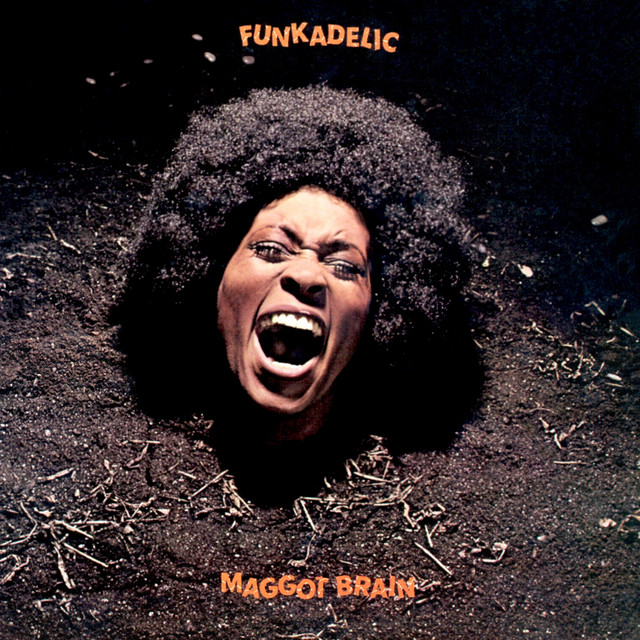
Released in 1971 as part of the critically acclaimed album Maggot Brain, "Can You Get To That" stands out not just for its infectious groove but for its reflection of Funkadelic's turbulent financial landscape. At the time, the band was part of an ambitious creative movement led by George Clinton, but the reality of their financial situation often clashed with the utopian ideals expressed in their music.
Lyrics That Speak to Struggle
The song's central question, "Can you get to that?" serves as a metaphorical plea, one that echoes the desperation of a band struggling to find stability amid a whirlwind of creativity and chaos. While the lyrics are playful and whimsical, they also hint at a deeper yearning for something more—something that often felt just out of reach.
"Can you get to that? / I want to get to that"
In essence, this line reflects not just a personal desire, but a collective yearning for success that Funkadelic was grappling with. The era was rife with financial pitfalls, and despite their groundbreaking sound, the band often found themselves at the mercy of record labels and industry politics.
The Irony of Artistic Freedom
Funkadelic's music was revolutionary, blending rock, funk, and psychedelic influences to create a sound that was ahead of its time. However, this innovation came at a price. The band's relationship with Westbound Records, their label at the time, was fraught with tension. Despite the acclaim for albums like Maggot Brain, the band was often left with meager financial returns.
The album Maggot Brain is often hailed as a landmark of psychedelic rock, yet it was a commercial struggle for the band.
Art vs. Commerce
"Can You Get To That" encapsulates this dichotomy of artistic ambition and financial instability. The track's upbeat rhythm contrasts sharply with the underlying anxiety of not being able to 'get to' the financial rewards that their music deserved. The irony is palpable; they were creating art that would influence generations, yet were often barely scraping by.
A Reflection of the Times
The financial struggles of Funkadelic were not unique; they mirrored the experiences of many artists in the early '70s. While the counterculture movement promised liberation and creative freedom, the stark reality was that many musicians were trapped in exploitative contracts. Funkadelic's journey is a cautionary tale of how the music industry can often stifle the very creativity it seeks to profit from.
Legacy and Lessons Learned
Today, "Can You Get To That" stands as more than just a catchy funk anthem; it serves as a reminder of the complexities artists face in balancing creativity with commerce. Funkadelic’s financial woes did not diminish their impact; rather, they highlight the often-unseen sacrifices made by artists in pursuit of their vision.
"You gotta get it while you can"
This line resonates with the band’s struggle for financial stability, reflecting a universal truth for artists everywhere. As Funkadelic navigated the treacherous waters of the music industry, their art became both a refuge and a reminder of the harsh realities they faced.
Conclusion
In examining "Can You Get To That" through the lens of Funkadelic's financial hurdles, we uncover a deeper narrative—one that intertwines the joy of creation with the pain of economic struggle. This connection enriches our understanding of the band, revealing how their music was both a celebration of life and a poignant commentary on the sacrifices artists make for their craft.