Masculinity and Emotion in the 1960s
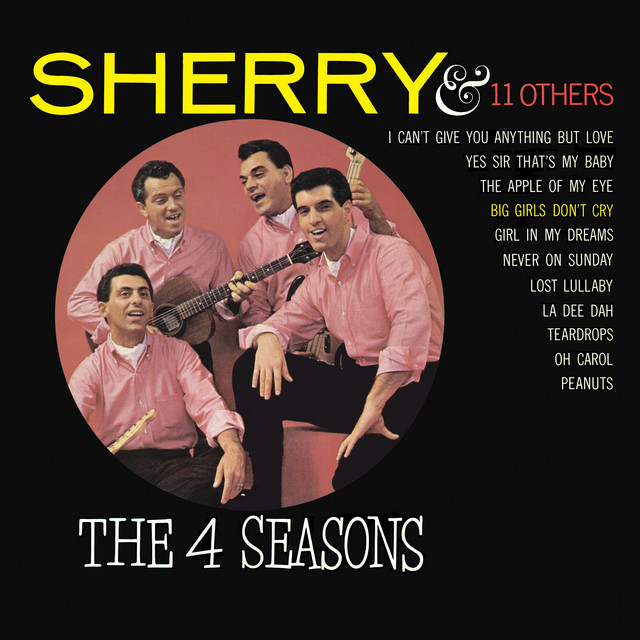
When Frankie Valli & The Four Seasons released "Big Girls Don't Cry" in 1962, it was more than just a catchy pop song; it was a cultural statement reflecting the pressures of masculinity during a time when emotional vulnerability was often dismissed as weakness. The song, produced by Bob Crewe, captures a moment in music history where the male experience was often drowned out by the upbeat doo-wop rhythms and vibrant harmonies.
The Weight of the Lyrics
The lyrics of the song highlight a man grappling with the fallout of a breakup, revealing a deep sense of heartache masked by societal expectations. Lines like
echo the sentiments of a generation taught to suppress their feelings. This refrain speaks volumes about the emotional armor men were expected to wear, suggesting that vulnerability was reserved for women."Big girls don’t cry, they don’t cry"
Context of the Era
The early 1960s were characterized by rigid gender roles, with men expected to be stoic and unyielding. Songs from this era often reinforced these norms, but Valli's delivery hints at an emotional undercurrent that challenges this stereotype. The Four Seasons' blend of pop and rock, combined with Valli's soaring falsetto, creates an intriguing contrast between the upbeat sound and the sorrowful message.
The Complexity of Heartbreak
In "Big Girls Don't Cry," the protagonist's sorrow and regret are palpable. As he reflects on his lost love, he wrestles with the pain of loneliness while simultaneously trying to uphold his masculine façade. The line
serves as a confession, revealing the inner turmoil that belies the upbeat melody. This contradiction is crucial; it mirrors the male struggle of the time, caught between societal expectations and personal emotions."I can't hide the way I feel"
Impact on Male Vulnerability
The song's success, reaching number one on the Billboard charts, suggests that audiences were ready to hear a different narrative. While it may not have fully upended the norms of masculinity, it certainly opened the door for discussions about male emotional vulnerability. This song, like many from the era, serves as a reminder that behind the bravado, men also experience heartbreak and pain.
Legacy and Recognition
In 2015, "Big Girls Don't Cry" was inducted into the Grammy Hall of Fame, a testament to its enduring impact. The song's legacy extends beyond its catchy hooks; it remains a cultural artifact that challenges the traditional narrative surrounding male emotions. As the decades have progressed, the conversation around masculinity has evolved, making Valli's song all the more significant.
"Big Girls Don't Cry" was one of five number one singles for The Four Seasons, showcasing their significant impact on the pop music landscape of the early 1960s.
Conclusion: The Unspoken Truths
While "Big Girls Don't Cry" may sound like a simple pop tune on the surface, its intricate exploration of male emotional vulnerability during the 1960s provides a rich commentary on the struggles faced by men. Frankie Valli's heartfelt performance not only resonates with those who have experienced heartbreak but also serves as a reminder that it’s okay for men to express their feelings. The song stands as a bridge between the past and present, challenging us to rethink the narratives surrounding masculinity.