The Weight of Loss
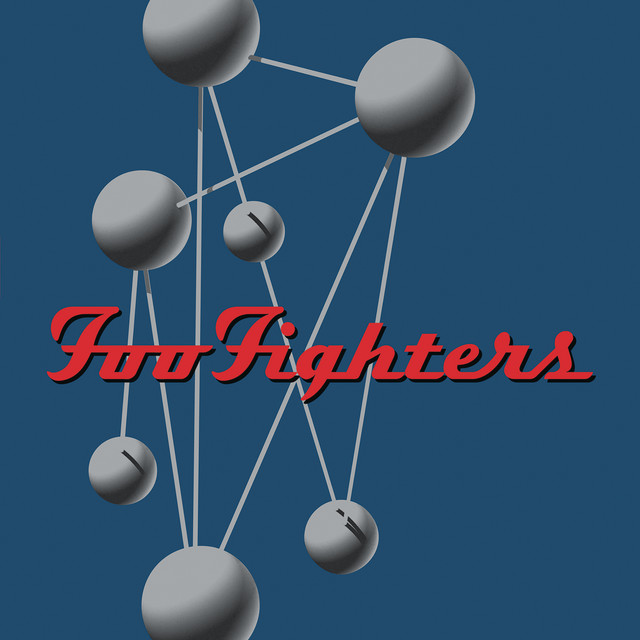
Kurt Cobain's death in April 1994 sent shockwaves through the music world, leaving a gaping void that artists struggled to fill. Among them was Dave Grohl, Cobain's former bandmate and the driving force behind Foo Fighters. In the aftermath of such a profound loss, Grohl channeled his grief and sense of loss into his songwriting, culminating in the track "My Hero" from the 1997 album, The Colour and the Shape.
From Grief to Heroism
Released in January 1998, "My Hero" stands as both a tribute and an exploration of what it means to idolize someone who has been lost. The song captures the duality of heroism—how we project our expectations onto those we admire, and the inevitable disillusionment that follows when they falter. Grohl's heartfelt delivery echoes the weight of Cobain's legacy, where admiration mingles with the pain of loss.
"There goes my hero, watch him as he goes"
These lines encapsulate the essence of the song: a bittersweet acknowledgment of the hero's journey, tinged with the knowledge that heroes are fundamentally human. Grohl's words resonate with those grieving the sudden absence of icons like Cobain, prompting listeners to reflect on their own relationships with figures of admiration.
Contextualizing the Sound
The sonic landscape of "My Hero" is a departure from the raw, grunge-infused sound of Nirvana. Instead, Foo Fighters present a polished, yet powerful rock anthem that balances heaviness with melodic hooks. Produced by Gil Norton, the track’s structure builds tension through dynamic shifts, reflecting the tumultuous emotions Grohl was grappling with. This contrast underscores the idea that even in moments of vulnerability, there is strength.
The Broader Impact
Grohl’s songwriting post-Nirvana often grapples with themes of legacy and the weight of expectation. In songs like “All My Life,” he further explores the complexities of identity and personal struggle, hinting at the lingering influence of Cobain's untimely departure. Each song serves as a reminder that the ghosts of our heroes shape our art, often leading to deeper explorations of grief and aspiration.
Foo Fighters performed "My Hero" live at the 1998 MTV Video Music Awards, a performance that became iconic in the wake of Cobain's death.
Legacy of a Fallen Hero
The influence of Kurt Cobain's tragedy on "My Hero" extends beyond the track itself, permeating the ethos of the Foo Fighters. Grohl’s ability to transform personal pain into anthemic rock music captures the spirit of a generation grappling with loss. While Cobain may have been the quintessential rock star, Grohl’s tribute emphasizes that heroes can be flawed, complex, and ultimately human.
Conclusion: A Song for Everyone
As we revisit "My Hero" years later, its relevance remains palpable. The song serves as a cathartic release for those grappling with loss, a reminder that heroes are not infallible. In the wake of Cobain's death, Grohl crafted an anthem that allows us to celebrate our heroes while acknowledging their humanity. In doing so, he immortalizes the struggle of loss, making "My Hero" a timeless reflection on the fragility of life and the strength we find in remembering.