Ancient Waters, Modern Echoes
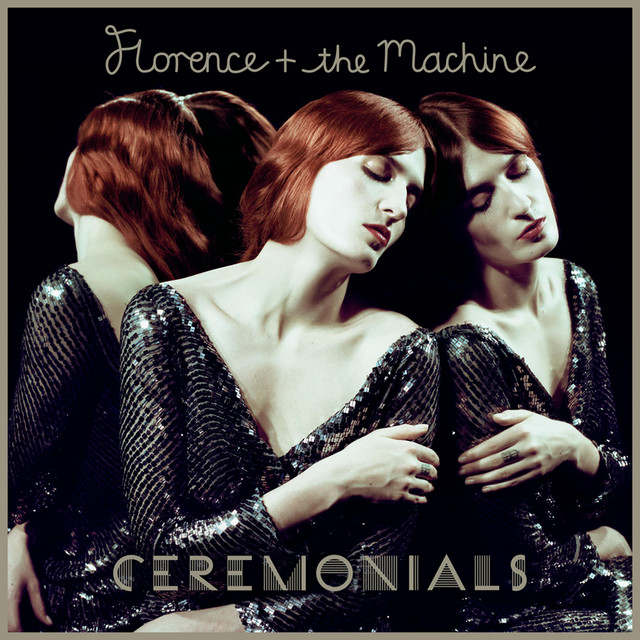
In "Never Let Me Go," Florence + The Machine harnesses the ocean's mythic power to explore themes of love, loss, and the inevitability of fate. Taken from their 2011 album, Ceremonials, produced by Paul Epworth, the song blends indie rock with baroque pop, creating an ethereal soundscape that mirrors the vastness and depth of the sea.
The ocean has long been a potent symbol in literature and mythology, representing the unknown, the subconscious, and the eternal cycle of life and death. Florence Welch’s lyrics reflect this duality, particularly in lines that evoke a sense of surrender to the overwhelming forces of nature and emotion.
Mythological Connections
In ancient mythology, the ocean was often personified by deities like Poseidon and Amphitrite, symbolizing both creation and destruction. In "Never Let Me Go," Welch taps into this ancient narrative, suggesting that love can be both a sanctuary and a tempest. The lyric,
, reveals an unwavering commitment, yet it’s steeped in the understanding that such devotion can lead to peril."I’ll never let you go, I’ll never let you go"
The ocean's waves can symbolize the relentless passage of time, a theme echoed in the song's haunting melodies. As the tide ebbs and flows, so too do the relationships we cherish. Welch's ability to weave this imagery into her music connects her to a long tradition of artists who have drawn inspiration from the sea.
The Fight Against the Current
Ultimately, "Never Let Me Go" feels like a struggle against the pull of the ocean's current. The song's urgency is palpable, and Welch's soaring vocals convey a sense of desperation. She sings about wanting to hold onto a fleeting moment, emphasizing the fragility of life and love. The line
serves as both a plea and a resignation to the forces that shape our destinies."Just let me go, let me go, let me go"
This tension between holding on and letting go is central to many mythological narratives. The story of Orpheus and Eurydice, for example, highlights the struggle between love and fate, as Orpheus attempts to retrieve his beloved from the underworld, only to lose her again. Welch’s work evokes similar emotional stakes, drawing parallels to these timeless myths.
The Ocean as a Character
In "Never Let Me Go," the ocean itself becomes a character—both a refuge and a threat. The waves symbolize the tumultuous nature of relationships, where moments of calm can quickly transform into chaos. This duality is captured not just in the lyrics but in the lush instrumentation that accompanies them. The orchestral elements create a sense of grandeur, amplifying the song's emotional weight.
Florence + The Machine have always had a knack for marrying lyrical depth with musical complexity, and this track is no exception. The ocean serves as a backdrop for introspection, a reminder of the vastness of human experience. Welch’s invitation to “never let go” speaks to the instinct to cling to what we love, even as we acknowledge the inevitability of change.
Conclusion: Embracing the Waves
"Never Let Me Go" is a resonant exploration of the ocean as a metaphor for human connection and existential reflection. By drawing on ancient mythological themes, Welch creates a bridge between the past and present, reminding us that the struggles of love and loss are as old as time. The song invites listeners to immerse themselves in the depths of their emotions, challenging them to confront the tides of their own lives.
Did you know? Florence + The Machine's Ceremonials album debuted at number one in the UK and showcased a shift towards a more orchestral sound.