The Grunge Echo in 'Get Gone'
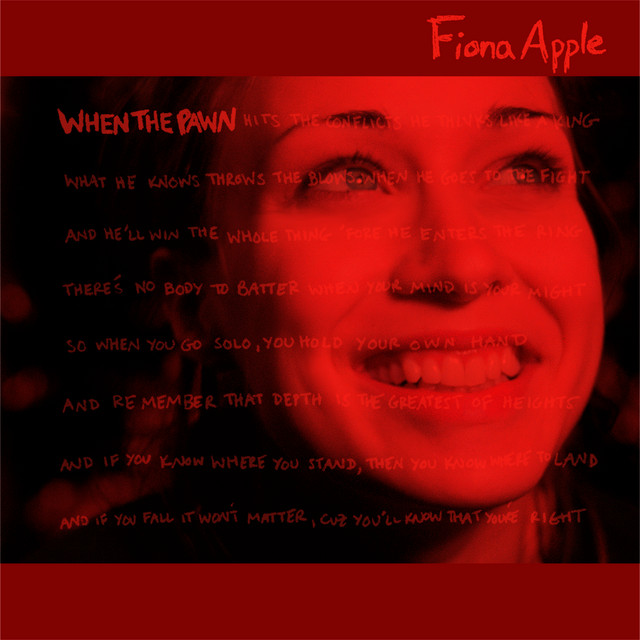
Fiona Apple’s "Get Gone" from her 1999 album When the Pawn... stands as a testament to the lasting influence of 90s grunge, a genre that reshaped the landscape of alternative music. While Apple is often celebrated as a singer-songwriter, her roots and stylistic choices reveal a deeper connection to the raw, emotional undercurrents of grunge.
In many ways, the song captures the ethos of 90s grunge through its sonic structure. The production, helmed by Jon Brion, employs a minimalist approach that mirrors the stripped-down aesthetics of the genre, focusing on the emotional weight of Apple’s delivery. The layered piano and understated percussion create an atmosphere reminiscent of the haunting melodies found in tracks by bands like Nirvana and Soundgarden.
Lyricism That Cuts Deep
Apple's lyrics in "Get Gone" reflect the disillusionment and angst that characterized much of the grunge movement. Lines such as
resonate with the same kind of bitter honesty found in the work of contemporaries like Alanis Morissette. The use of stark imagery and emotional vulnerability invites listeners to confront uncomfortable truths, echoing the confessional style that defined grunge lyricism."You can’t be a part of my life if you’re going to be so cheap"
Moreover, the song's structure is reminiscent of the dynamic shifts often seen in grunge tracks. It oscillates between quiet introspection and explosive emotional outbursts, a hallmark of the genre that captures the listener’s attention while maintaining a sense of urgency. This push-and-pull can be traced back to the way bands like Pearl Jam and Hole crafted their anthems, blending melody with raw power.
Contrasting the Pop Sensibility
While Fiona Apple’s music is undeniably steeped in pop sensibilities, her willingness to embrace the darker, more complex themes prevalent in grunge sets her apart. Although "Criminal," her 1997 single from the debut album Tidal, garnered mainstream success, it also showcased a grittiness that was not common in pop at the time. The juxtaposition of commercial appeal and emotional depth found in both "Criminal" and "Get Gone" illustrates how Apple navigates the boundaries of genre.
The influence of her 90s predecessors is unmistakable. Just as Kurt Cobain’s lyrics often reflected a struggle with personal demons, Apple’s work resonates with similar themes of self-doubt and defiance. She manages to balance a polished sound with the raw, unfiltered emotion that grunge embodies.
Legacy of Grunge in Modern Context
In the years since its release, "Get Gone" has become a touchstone for newer artists seeking to blend pop with the emotional resonance of grunge. Musicians such as Billie Eilish and Phoebe Bridgers have cited Apple as a key influence, indicating the enduring legacy of 90s grunge in shaping contemporary sounds. The blend of whispery vocals with stark instrumentation in Eilish’s work, for instance, reflects a direct line back to Apple’s approach.
Fiona Apple's "When the Pawn..." was a commercial success, debuting at number 13 on the Billboard 200.
Ultimately, the unexpected influence of 90s grunge in "Get Gone" serves as a reminder of how interconnected the music world can be. Apple’s ability to channel the raw energy of grunge while maintaining her distinct style is a testament to her artistry and the genre’s lasting impact. In a landscape where authenticity is often compromised for commercial viability, Apple’s work stands as a powerful beacon of emotional truth.