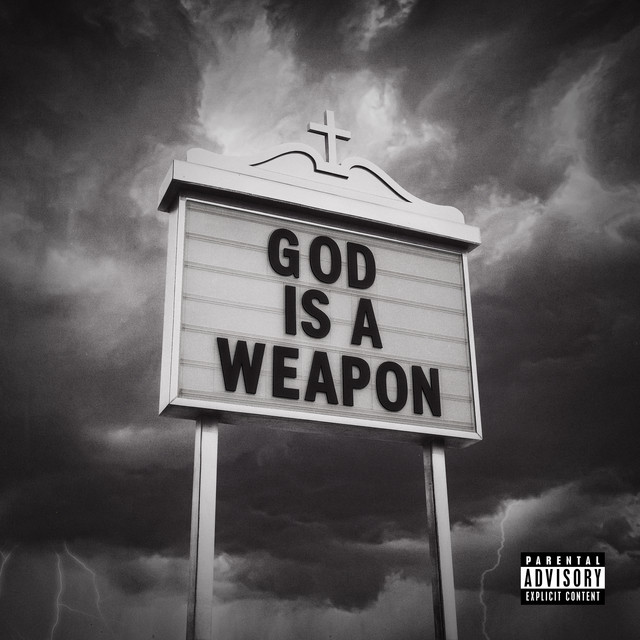
The Clash of Faith and Power
Falling In Reverse's latest track, "God Is A Weapon," featuring the iconic Marilyn Manson, is a bold power ballad that doesn't shy away from confronting the complexities of faith and its darker undercurrents. Released in May 2025, the song captures a critical moment in the band's evolution, blending rock and emotional depth with a biting critique of the very institutions that shape belief systems.
At first listen, the title itself is provocative, suggesting that faith—often viewed as a source of solace—can also become a tool of destruction. The line blurs between devotion and manipulation, forcing listeners to question how religious beliefs can be wielded as weapons against others. This theme is not unique to Falling In Reverse but has been a recurring motif in rock music, where artists often grapple with disillusionment.
The Lyrics That Cut Deep
One of the standout moments in the song comes when Ronnie Radke sings about the disillusionment often experienced by those who have been let down by their faith. The raw honesty in his voice captures the essence of a struggle many face: the dichotomy of wanting to believe but feeling betrayed by the very tenets of that belief. The line
encapsulates this sentiment perfectly, illustrating how faith can sometimes become a tool for betrayal rather than protection."Faith isn't a shield, it's a knife in your back"
Marilyn Manson’s contribution adds another layer of complexity. Known for his controversial takes on religion and societal norms, Manson’s presence in the song amplifies its critique. His vocal delivery complements Radke’s angst, creating a duet that feels both confrontational and introspective.
A Broader Commentary on Society
The theological implications of "God Is A Weapon" extend beyond personal faith to comment on societal structures. The song critiques how organized religion can be manipulated by those in power to justify violence and intolerance. In an era where religion often intersects with politics, the message feels particularly urgent.
Radke’s lyrics challenge the listener to consider how often faith has been used to incite conflict rather than foster peace. This is not merely a personal lament; it’s a societal indictment that reveals how easily beliefs can be twisted for nefarious purposes. The line
serves as a stark reminder of the dangers that lurk within dogma."You turn love into hate, you twist wisdom into lies"
Personal Struggles and Collective Dilemmas
Radke’s personal struggles with faith and redemption are well-documented, and they inform much of the song's emotional weight. The juxtaposition of personal pain against a broader critique of faith positions the track as both a confession and a call to arms. It leads listeners to grapple with their own beliefs and the ways those beliefs can be politicized or weaponized.
Interestingly, the collaboration with Marilyn Manson marks a significant moment in both artists' careers, merging their narratives of rebellion and reflection on faith.
This exploration of faith as a weapon isn’t just a critique; it’s an invitation for introspection. It asks the listener to consider how their beliefs influence their actions and societal interactions. In a world rife with division, Radke and Manson urge us to reflect on the core values of love and compassion that many religions espouse.
The Sound of Defiance
Musically, the power ballad format allows for a wide emotional range, from soaring guitar solos to haunting melodies. The arrangement complements the lyrical content, with dynamic shifts that mirror the tumultuous nature of faith itself. The production choices enhance the song's intensity, making each verse feel like a confrontation.
As the song builds to its climax, it becomes a cathartic release, echoing the frustrations of those who feel abandoned by their beliefs. The final lines resonate with a sense of urgency, heralding a call for change and awareness.
Conclusion: A Call for Reflection
"God Is A Weapon" is not just another rock anthem; it’s a potent critique of faith and its implications in our lives and society. Falling In Reverse, with the support of Marilyn Manson, crafts a narrative that challenges listeners to question the very foundations of their beliefs. In a time when faith can be both a source of comfort and a weapon of division, this song serves as a crucial reminder of the need for introspection and compassion.