A Reflection of a Changing Landscape
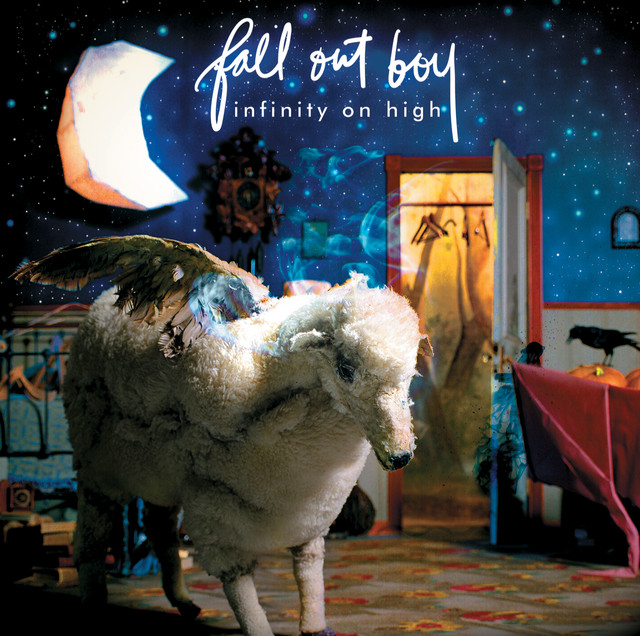
When Fall Out Boy released "This Ain't A Scene, It's An Arms Race" as the second single from their 2007 album, "Infinity on High," they delivered more than just a catchy tune. The song, produced by the renowned Neal Avron, transcended the pop-punk genre by embedding pointed political commentary within its infectious hooks. At a time when the music scene was shifting dramatically, Fall Out Boy's lyrics offered a sharp critique of the commercialization of art.
Commercialization and Identity
The title itself is a bold statement; it suggests that the music industry isn't just a creative space but a battlefield. With lines like
, the band positions itself against the backdrop of a competitive, often ruthless music market. This metaphor of an 'arms race' cleverly implies that artists are no longer simply expressing themselves but are instead engaged in a desperate struggle for attention and relevance."This ain't a scene, it's an arms race"
The Hunger for Authenticity
In an era defined by viral fame and fleeting trends, Fall Out Boy's lyrics highlight a crisis of authenticity. The band calls out those who prioritize image over substance. The juxtaposition in the song reveals a disillusionment with how the industry commodifies artistry. Lines like
emphasize a sense of entrapment, as artists find themselves caught in a cycle of demand and production, where genuine creativity is often sacrificed."I’m just a kid, I’m just a kid / I'm just a kid that can’t get out"
The Impact of the Bush Era
Released during George W. Bush's presidency, the song's implications extend beyond the music industry. The political climate of the time, characterized by conflict and economic uncertainty, parallels the lyrical themes of competition and survival. While at first glance, the song seems to critique the music scene, its broader socio-political commentary cannot be overlooked. It resonates with a generation that feels like pawns in a larger game of power and profit.
Cultural Critique Through Irony
Fall Out Boy employs irony throughout the track, using self-awareness to critique both their own position within the industry and the industry's broader issues. This self-reflexivity is apparent in lines that mock the concept of 'scenes'—the idea of belonging to a specific musical niche. Instead, the band suggests that such divisions are artificial and detrimental, leading to a homogenized sound that prioritizes marketability over meaningful art.
A Lasting Legacy
"This Ain't A Scene, It's An Arms Race" remains a relevant piece of commentary in today's music industry. As streaming services dominate, the battle for listener attention is more fierce than ever. Fall Out Boy's foresight in addressing these themes speaks volumes about their ability to capture the zeitgeist. Their critique of a system that rewards style over substance rings true even now, prompting artists and listeners alike to reflect on the true value of music.
The song peaked at number 2 on the Billboard Hot 100, showcasing Fall Out Boy's mainstream appeal and the commercial success of their social critique.
Conclusion: A Call to Action
Ultimately, Fall Out Boy's anthem is a call to action for both artists and fans. It implores us to demand authenticity, to look beyond the superficial glitz of the industry, and to appreciate music that speaks to the struggles we face. In a world where commercial interests often overshadow creative expression, the band’s message is clear: the real artistry lies in the willingness to challenge the status quo.