Breaking Boundaries in Blues
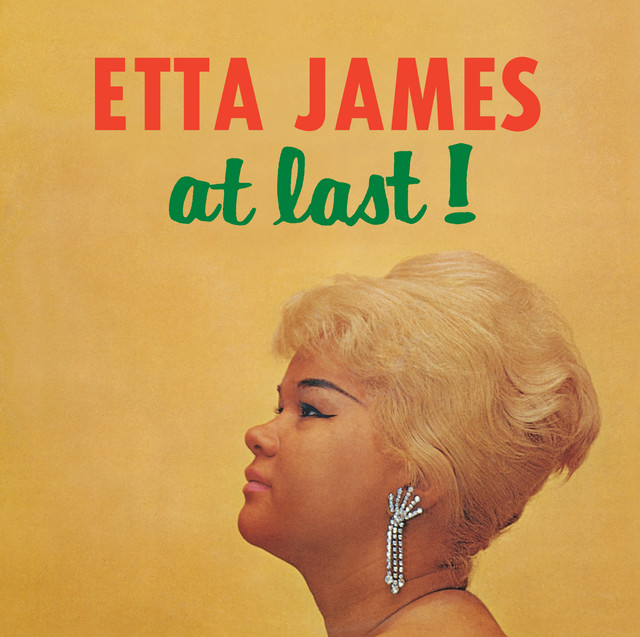
Etta James’ rendition of "I Just Want To Make Love To You" released in 1961 on her debut album Etta James, stands as a pivotal moment in the landscape of American music. Originally penned by Willie Dixon and recorded by Muddy Waters in 1954, the song traverses the territory of desire with a boldness rarely seen in the era's music, especially from a female artist. James infused the blues classic with a sultry and unapologetic yearning that challenged the norms surrounding female sexuality in the early 60s.
A Commanding Presence
James' powerful vocal delivery is the centerpiece of the track. With a raw, emotional intensity, she asserts her wants right from the start. This is not a shy woman asking for love; it's a declaration of desire. Lines like
are delivered with such confidence that they feel more like a command than a request. In a time when women's roles in music often revolved around themes of love and longing, James transformed the narrative. She took ownership of her sexual agency."I just want to make love to you,"
Contextualizing the Era
The early 1960s were a turbulent time in America, marked by social upheaval and shifting cultural norms. The civil rights movement was gaining momentum, and gender roles were being questioned. Etta James emerged as a voice that blended both blues and soul, effectively reaching across these divides. In a genre that often marginalized women's voices, her insistence on desire was revolutionary.
James was only 23 when she recorded this track, making her assertive take on love all the more remarkable.
Musical Arrangement and Impact
The production on this single version is classic blues, featuring a tight rhythm section that allows James’ voice to soar above the instrumentation. The horns punctuate her phrases, giving the song a vibrant, almost celebratory feel that contrasts with its explicit lyrics. While the song has been covered numerous times, none can match the raw authenticity that James brought to it. Her version was not just a reinterpretation; it was a redefinition.
Legacy of Empowerment
What makes "I Just Want To Make Love To You" so significant is its lasting impact. It opened doors for future generations of female artists who would explore themes of sexuality and independence. In a world where women are still often pigeonholed into specific roles, Etta James’ boldness remains an inspiration. Her fearless expression of desire and identity continues to resonate today, demonstrating how music can be a powerful force for change.
Conclusion: A Voice Like No Other
Etta James was more than just a singer; she was a cultural icon who used her platform to assert her voice in a male-dominated industry. Her version of "I Just Want To Make Love To You" remains a touchstone for the exploration of female sexuality in music. In an era where women were often expected to be passive, James sang with a fierce independence that was years ahead of her time.