The Heart Behind the Song
Etta James’s ‘All I Could Do Was Cry’ isn’t just a song; it’s a raw testament to the pain of unrequited love and the emotional scars that often accompany it. Released in March 1960, this doo-wop and rhythm and blues single became one of her signature hits, but its roots lie deep within James’s tumultuous personal life.
A Life of Struggle
James was only 22 when she recorded this heart-wrenching ballad. By that point, she had already faced a lifetime of challenges, including a troubled childhood and a battle with addiction. These experiences shaped her understanding of heartbreak and loss, which she would channel into her music. The song's haunting melody is complemented by lyrics that reflect a deep vulnerability, revealing how her own heartbreak inspired the track.
A Love Lost
The narrative of ‘All I Could Do Was Cry’ revolves around witnessing a lover marry someone else, a situation that strikes a chord with anyone who has ever felt sidelined in love. James's delivery is filled with an aching sincerity, and you can hear the pain in her voice as she sings about the helplessness that accompanies heartbreak.
"I heard church bells ringing, I heard a choir singing..."
These lines evoke an image of celebration that starkly contrasts with her own sorrow, painting a vivid picture of isolation amidst joy. James’s ability to convey this emotional dichotomy makes ‘All I Could Do Was Cry’ resonate with listeners even today.
Musical Influences
Producer Jerry Wexler understood the importance of blending genres, which contributed to James's crossover appeal. The doo-wop influences in the arrangement paired with her powerful vocal performance created a sound that appealed to both R&B and pop audiences. This was a pivotal moment for James, as it helped solidify her place in music history.
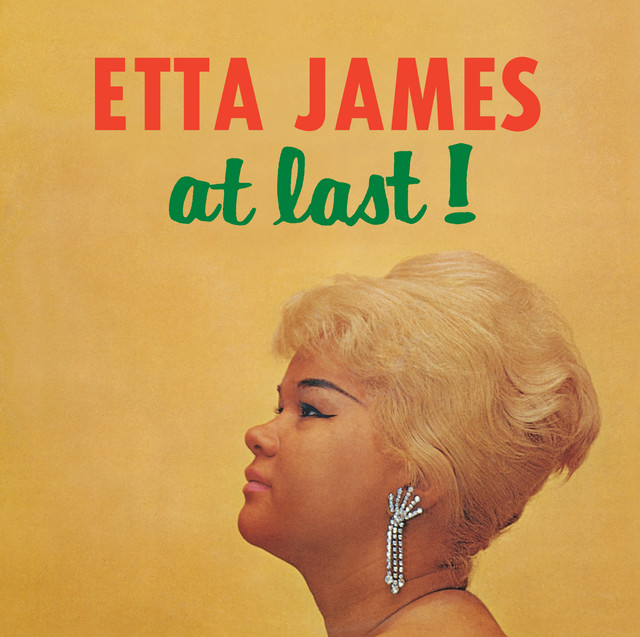
Interestingly, ‘All I Could Do Was Cry’ was released on the same album as ‘At Last,’ another classic that showcases James’s range and emotional depth.
Legacy of Heartbreak
Decades later, the song remains a staple in the canon of heartbreak anthems. It’s been covered by numerous artists, from Beyoncé to Adele, each bringing their own interpretation while still honoring the original’s emotional core. This speaks to the timelessness of James's pain, which still echoes in the hearts of many.
The Essence of Etta
Etta James’s ‘All I Could Do Was Cry’ stands as a powerful reminder of how personal experiences can shape art. The song is more than just a narrative of lost love; it’s a reflection of James's resilience in the face of adversity. Her ability to channel her heartbreak into such a relatable and impactful piece of music is what sets her apart as a true icon.