The Sound of the Times
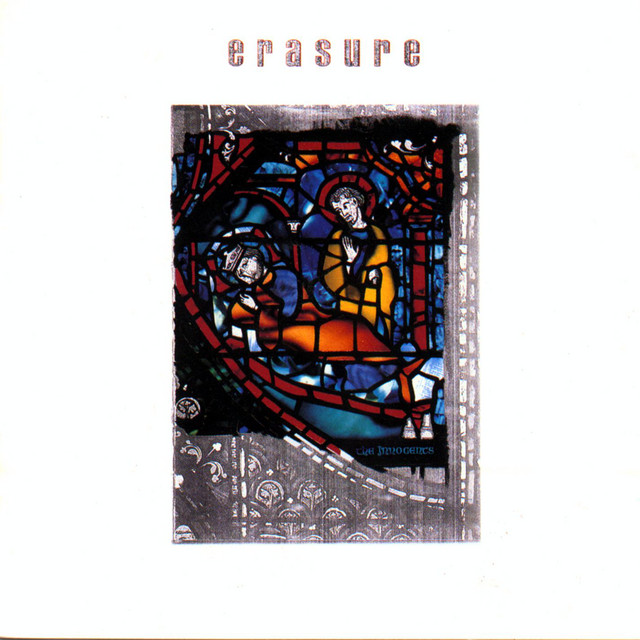
When Erasure released "Chains of Love" in May 1988, the synth-pop duo was about to solidify their place in music history. The track, produced by the ever-talented Stephen Hague, was a standout from their album, The Innocents, which would go on to become one of the UK’s best-selling albums of the year. But its significance extended far beyond the charts; it became a rallying cry during a critical moment for the LGBTQ+ community.
A Call for Connection
The 1980s was a tumultuous decade for queer individuals, marked by the AIDS crisis and a society grappling with discrimination and fear. In this context, "Chains of Love" emerged as a beacon of hope. It’s a song that speaks to the yearning for connection, with lyrics that evoke both the struggles and triumphs of love. The chorus, with its infectious melody, underscores a message that was both personal and universal.
"I give in to sin, because I like to practice what I preach."
This line encapsulates the tension many felt in an era when love was often shrouded in shame. For the LGBTQ+ community, it was a declaration of defiance against societal norms, a loud affirmation that love, in all its forms, should not be hidden.
Resilience Through Rhythm
Erasure's vibrant sound, characterized by Vince Clarke's innovative synth arrangements and Andy Bell’s soaring vocals, provided a perfect backdrop for this message of resilience. The upbeat tempo and catchy hooks of "Chains of Love" made it a dancefloor staple, allowing listeners to escape their realities, even if just for a moment. Dance music has always served as a space for liberation, and this track perfectly fits that mold.
Public Reception and Impact
Erasure’s success in the late ‘80s coincided with a growing visibility of LGBTQ+ artists in mainstream music, paving the way for future generations.
Legacy and Relevance
Today, "Chains of Love" remains a powerful anthem, often revisited in discussions surrounding LGBTQ+ rights and representation. Its themes of love, acceptance, and resistance continue to resonate, reminding us that music has the power to challenge the status quo. Erasure's ability to blend personal sentiment with broader social issues is a testament to their artistry and their commitment to the LGBTQ+ community.
Conclusion: A Lasting Impact
In a world that still grapples with issues of love and acceptance, "Chains of Love" stands as a reminder of the progress made and the work that still lies ahead. The song's infectious energy and poignant lyrics capture the spirit of an era defined by both struggle and celebration. As we reflect on the past, we must honor the anthems that have shaped movements and inspired change.