The Movement Speaks Volumes
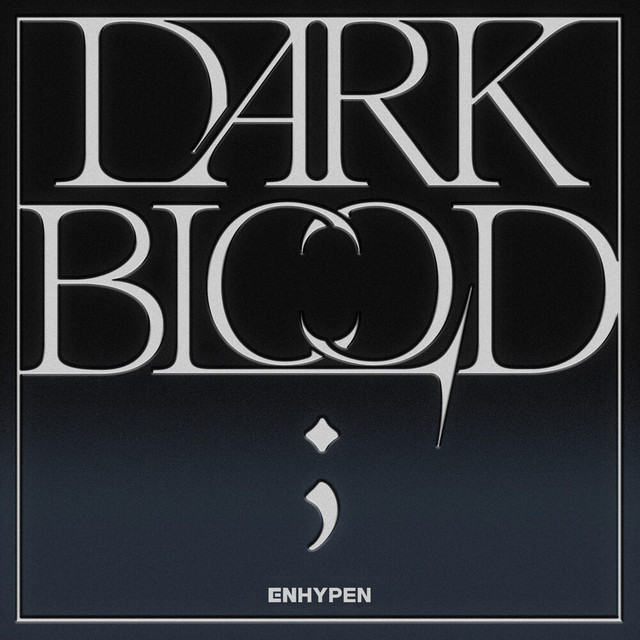
ENHYPEN's latest release, "Chaconne," from their fourth EP, Dark Blood, is more than just a song; it’s an exploration of self-acceptance wrapped in a visually stunning package. The choreography that accompanies the track is a critical component of this narrative, turning dance into a language of its own. The synchronized movements of the group serve not only to entertain but to illustrate the complexities of inner conflict and the journey toward embracing oneself.
Choreography as Narrative
The choreography in "Chaconne" conveys a physical representation of the struggles detailed in the lyrics. Each move appears to echo the sentiments of longing and self-reflection. For example, the way the members interlock during the chorus symbolizes unity not just among themselves but also within an individual’s psyche. It's as if they are physically navigating the tension between societal expectations and personal identity.
“I’m lost in this world, can you hear my voice?”
This line captures the essence of the song's message. It articulates the feelings of isolation many experience while grappling with self-acceptance. The choreography enhances this by showcasing moments of separation and reunion, mirroring the emotional highs and lows of the journey.
Historical Context and Musical Influence
The term 'chaconne' itself originates from a dance form that highlights variations on a repeated harmonic progression. This historical context enriches ENHYPEN's version, suggesting that their struggle for identity is not new but rather a continuation of human experience. The song’s complex rhythms, produced under the keen eye of Belift Lab, meld traditional and contemporary influences, creating a soundscape that emphasizes the emotional weight of the lyrics.
Did you know? The chaconne is a Baroque dance form, often characterized by its slow, stately tempo, reflecting the gravity of the themes explored in ENHYPEN's song.
Interpreting the Movement
As the choreography unfolds, viewers are drawn into a story that speaks to the universal challenge of self-acceptance. The movements range from fluid to sharp, embodying the push and pull of self-doubt versus self-love. The use of space in the performance is equally telling; at times, the members are tightly grouped, representing camaraderie and support, while at other moments, they break apart, signifying the isolation that often accompanies the quest for acceptance.
“I’ll find my way back to me.”
This line serves as a powerful anthem within the choreography. The dance crescendos at this point, with a flurry of motions that reflect a breakthrough — a realization of self-worth. It's a moment of triumph, where the fluidity of the choreography mirrors the liberation felt when one begins to accept their true self.
Conclusion: A Reflection of Our Times
In an era where external validation often overshadows personal fulfillment, ENHYPEN's "Chaconne" stands out as a vital exploration of self-acceptance. The choreography acts as a vessel for this message, transforming the stage into a battleground where the struggle for identity is fought and, ultimately, embraced. As they navigate through intricate patterns and dynamic formations, the group not only entertains but also invites audiences to reflect on their own journeys toward self-acceptance.