The Echoes of a Troubled Past
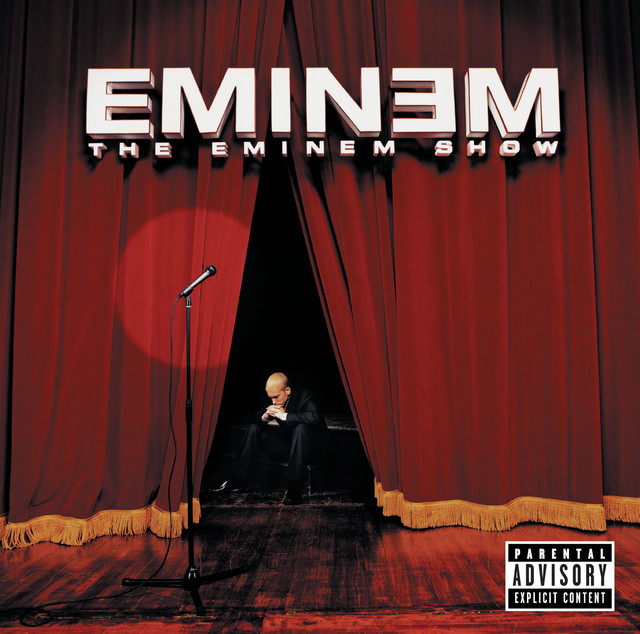
Released on May 13, 2002, as part of *The Eminem Show*, "Without Me" is not just a catchy hook; it’s a reflection of Eminem's complex childhood. Growing up in Detroit, Marshall Mathers faced relentless bullying, familial instability, and economic hardship, all of which forged the persona that he would later unleash onto the world.
Disruption and Resilience
The song opens with a bold declaration of his return to the rap scene, but it's also a commentary on his position in the music industry. Eminem raps,
This line sets the tone for a narrative that oscillates between self-confidence and the scars of a tumultuous upbringing."Guess who's back, back again..."
His childhood was marked by a turbulent relationship with his mother, Debbie Mathers, which is echoed in his lyrics. The constant struggle for validation and acceptance from his peers shaped his defiant and often confrontational style. Eminem's experiences of feeling like an outsider are vital to understanding the urgency of his message in "Without Me."
The Fight for Identity
In "Without Me," Eminem tackles his critics and the media, portraying himself as a necessary force in the world of hip-hop. Lines like
highlight the duality of his identity. He grapples with being both Marshall—the vulnerable child—and Shady, the brash alter ego that emerges from his pain."Nobody wants to see Marshall no more, they want Shady, I'm chopped liver"
This conflict is a direct reflection of his childhood. Eminem often felt the need to prove himself, not just to others but also to his younger self. This theme of battling internal demons resonates throughout his work, and "Without Me" serves as a cathartic release.
A Dark Humor and Satire
The song also showcases Eminem's signature dark humor, a coping mechanism developed during his youth. The playful yet biting tone of the track allows him to address serious issues while keeping listeners engaged. For instance, he pokes fun at his own controversies, declaring,
—a testament to how he turned his struggles into a source of strength."I am the one you love to hate"
The Influence of Pop Culture
Eminem's upbringing in the pop culture spotlight further complicates his identity. The media’s obsession with his persona often mirrors the adversities he faced as a child. "Without Me" acts as both a response to this scrutiny and a reclamation of his narrative. By confronting his critics head-on, he asserts his presence in a world that often tried to diminish him.
The song became a commercial success, debuting at number one on the Billboard Hot 100 and solidifying Eminem's status as a cultural icon.
Conclusion: The Enduring Impact of Childhood
The essence of "Without Me" lies in its exploration of Eminem's childhood experiences, which shaped his artistic voice. His ability to weave personal struggles into universal themes of acceptance and defiance is what makes the track resonate even today.
Ultimately, "Without Me" is not just a boastful anthem; it’s a powerful reminder of how far Eminem has come from his troubled beginnings and how those experiences continue to define his narrative as an artist.