Introduction to a Cultural Commentary
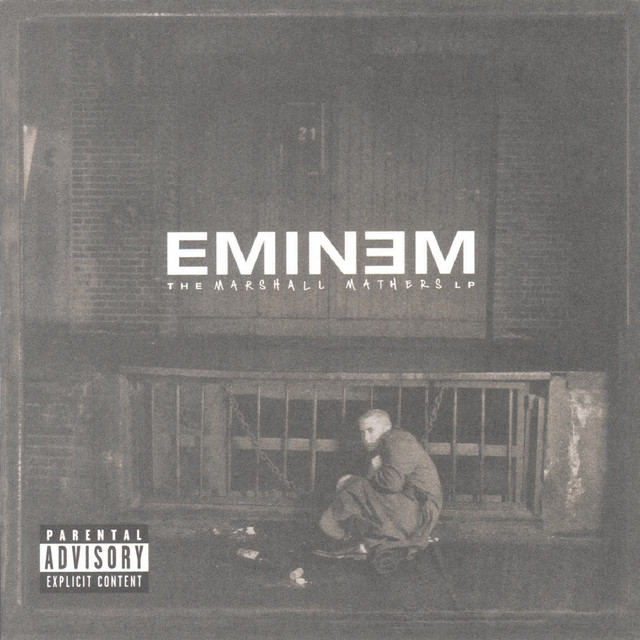
When Eminem released "The Real Slim Shady" in 2000 as the lead single from his third studio album, The Marshall Mathers LP, he wasn’t just delivering a catchy hook and clever punchlines. He was launching a scathing critique of the commercialization of hip-hop culture. This track stands as a bold declaration of authenticity amidst a rising tide of corporate influence in the music industry.
Mocking the Facade
The song opens with a provocative challenge to the music industry and its expectations. Eminem's signature alter ego, Slim Shady, serves as both a shield and a weapon, allowing him to dissect the absurdities of fame and the pressures to conform. He addresses how many artists are simply manufactured products, designed to fit a specific mold rather than being true to themselves.
"Will the real Slim Shady please stand up? / I repeat, will the real Slim Shady please stand up?"
These lines do more than just introduce the song; they set the stage for a deeper exploration of identity in an industry that often prioritizes marketability over authenticity. Eminem challenges listeners to question who they are truly supporting in a landscape filled with facades.
Consumer Culture and Hip-Hop
In the early 2000s, hip-hop was rapidly becoming a mainstream commodity. Eminem's biting commentary highlights how the genre was starting to be molded by corporate interests. He calls out the relentless pursuit of profit that often overshadows artistic integrity. This theme is especially relevant today, as we see the rise of viral hits prioritized for their streaming potential rather than their artistic merit.
"And I don't gotta be bothered to win the game / I'm just here to entertain you, nothing more, nothing less."
Here, Eminem captures the disillusionment many artists feel as they navigate a system that rewards the superficial. The notion of entertainment being stripped of any depth is a poignant commentary on how the industry often reduces complex artistry into mere products.
The Role of Satire
Eminem’s use of satire in "The Real Slim Shady" is integral to his critique. The playful tone belies a serious message, as he mocks not just his contemporaries but also the audience that consumes this manufactured music. His clever wordplay invites listeners to laugh at the absurdity of the situation, while simultaneously making them aware of the underlying issues.
"You think I give a damn about a Grammy?"
With this line, Eminem dismisses the very accolades that many artists strive for. He illustrates a disconnect between artistic merit and commercial success, suggesting that the true value of music lies beyond awards and recognition.
Legacy and Relevance
As hip-hop continues to evolve, the themes explored in "The Real Slim Shady" remain relevant. The commercialization of the genre has only intensified, with new platforms and methods of distribution reshaping how music is created and consumed. Eminem's commentary serves as a reminder of the importance of remaining authentic in an industry that often incentivizes inauthenticity.
Interesting fact: "The Real Slim Shady" won a Grammy Award for Best Rap Solo Performance and was a significant commercial success, further highlighting the paradox of authenticity in a commercial world.
The song's legacy is cemented not just in its catchy chorus but also in its unflinching critique of a culture that continues to grapple with issues of identity and authenticity in the face of overwhelming commercial pressures. Eminem's artistry is at its most potent when he challenges the status quo, urging both artists and listeners to seek the real amidst the noise.