The Mother of All Conflicts
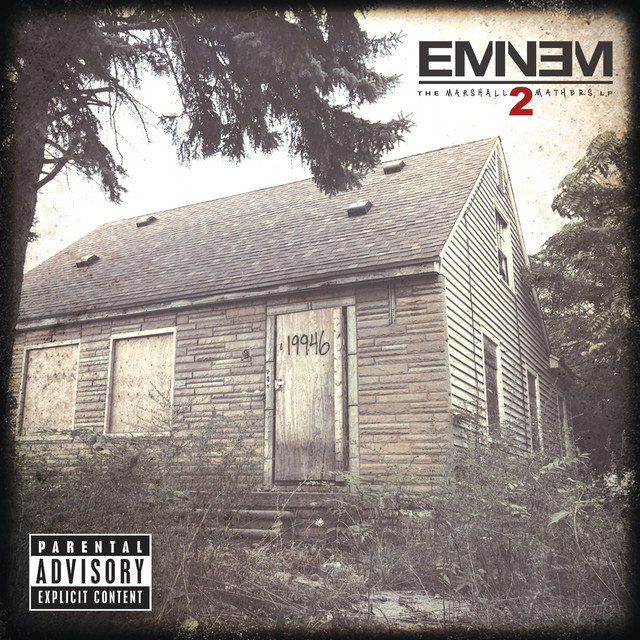
Eminem's relationship with his mother has long been a source of both inspiration and turmoil in his music. In 'Headlights,' a track from his 2013 album 'The Marshall Mathers LP 2,' he confronts this complicated bond. Unlike his earlier work, where he often vented frustration and anger towards her, this song serves as a heartfelt apology and a recognition of their shared struggles.
A Shift in Narrative
The song features Nate Ruess, whose soaring vocals add a layer of emotional depth. This collaboration is significant; Ruess brings a sense of vulnerability that complements Eminem's reflective tone. The chorus, where Ruess sings about seeing things differently, signals a pivotal moment for Eminem. He acknowledges the pain he caused and the misunderstandings that festered over the years.
"I know I hurt you, but I love you, and I’m sorry."
This line encapsulates the essence of 'Headlights.' It marks a departure from the hostility evident in tracks like 'Cleaning Out My Closet,' where he openly critiqued his mother's parenting. Here, instead of casting blame, he expresses remorse—an evolution that speaks volumes about his growth as both an artist and a person.
Embracing Vulnerability
The production of 'Headlights,' helmed by Em and his longtime collaborators, allows for a more subdued atmosphere. This isn't a brash hip-hop anthem; it's a somber meditation on regret. By stripping away the bravado, Eminem invites listeners into a more intimate space, making the message all the more impactful.
The Role of Family
Thematically, 'Headlights' dives deep into the complexities of family dynamics. Eminem's acknowledgment that his mother, Debbie Mathers, faced her own demons adds layers to the dialogue. He reflects on her struggles, suggesting that understanding her pain helps him to reconcile his feelings.
Eminem has often cited his childhood and family issues as central to his identity and artistry, making 'Headlights' a critical point in his narrative.
Conclusion: A Path to Healing
'Headlights' is more than just a song about mother and son; it’s a narrative of understanding, forgiveness, and ultimately, healing. Eminem’s transformation from a young man filled with anger to someone who can express love and remorse is a testament to his artistic evolution. Through this track, he proves that even the deepest wounds can become avenues for reconciliation.