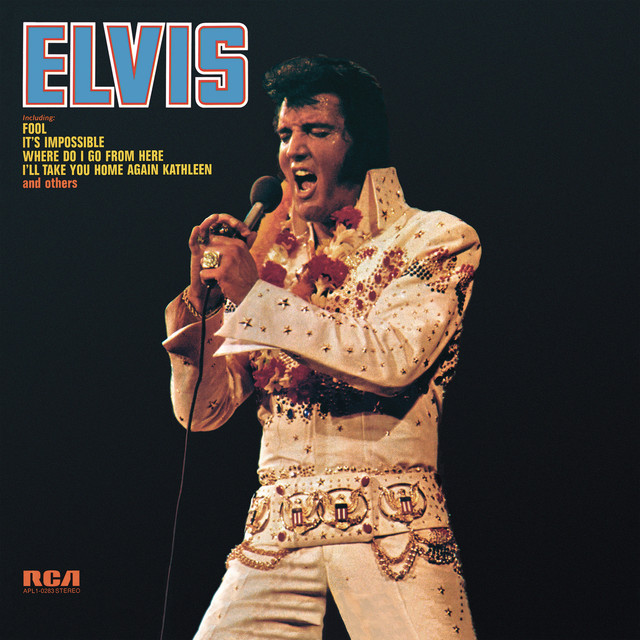
The Heat of Desire
Elvis Presley's "Burning Love," released in 1972, serves as a pivotal moment in rock and roll's journey through the complexities of desire. The song, produced by the legendary Felton Jarvis, marks a shift from the playful innocence of earlier rock to a raw, unabashed exploration of passion. With lyrics that pulse with urgency, it reflects how rock music began to embrace a more overt sexual narrative.
A Hesitant Icon
Interestingly, Presley was initially reluctant to record "Burning Love," as noted by USA TODAY's Kim. The oversexed nature of the lyrics made him apprehensive, a stark contrast to his earlier hits like "Heartbreak Hotel" or "Can't Help Falling in Love," which maintained a romantic, yet restrained, approach. Yet, this discomfort only underscores the transitional phase of rock music during the early 1970s — from innocence to an embrace of more carnal themes.
Lyrics that Ignite
The chorus of "Burning Love" is a visceral declaration:
This line captures the essence of desire stripped of pretense. Elvis's delivery is electrifying, blending his signature charisma with a sense of urgency that was somewhat new for him at that stage of his career. Unlike his earlier work, which often depicted love in a more idyllic light, this song thrusts the listener into the throes of passionate longing."I'm just a hunk, a hunk of burning love."
Desire in Rock's Narrative
In the context of rock and roll's evolution, "Burning Love" is significant. The genre had been gradually moving towards more explicit expressions of sexuality since the days of Chuck Berry and Little Richard. By the time Presley recorded this track, rock was ready to tackle desire head-on, showcasing its complexities rather than just the simple, joyous aspects of love.
Cultural Impact and Legacy
"Burning Love" became one of Presley's last major hits, solidifying its position in rock history. Its frankness about desire opened doors for future artists to explore similar themes without the hesitance that characterized earlier eras. The song has been covered by countless musicians, each bringing their interpretation of its fiery essence. It stands as a cultural touchstone, embodying the shift in rock's narrative from romantic idealism to a more complex, often chaotic exploration of human desire.
Conclusion: The End of an Era
Elvis's reluctance to embrace the sexual undertones of "Burning Love" highlights the tensions of its time. Yet, its success proved that audiences were ready for a more forthright portrayal of desire in rock music. As the last hit of his career, it foreshadowed the direction that rock would take in the years to come — a genre willing to confront the intricacies of love and lust, with all its fiery implications.
Elvis's "Burning Love" became a defining moment in rock's portrayal of desire, merging sexuality with musical intensity.