Roots of a Revolution
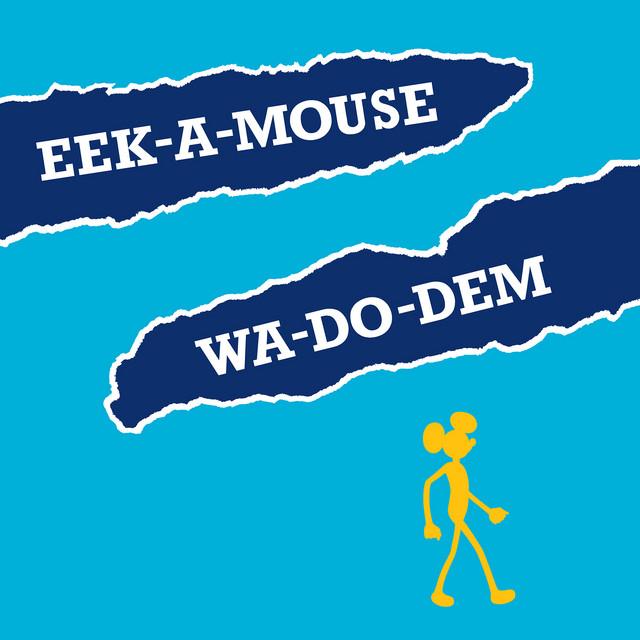
Released in 1982 on the album of the same name, Eek-A-Mouse's "Ganja Smuggling" is far more than a catchy reggae tune; it's a vivid commentary on the socio-political climate of 1980s Jamaica. With its infectious beat and playful singjay style, Eek-A-Mouse blends humor with a sharp critique of the intense struggles facing the nation. This era was marked by political violence, economic hardship, and the global perception of Jamaica as a heartland for both music and illicit trade.
The Political Backdrop
The 1980s in Jamaica were tumultuous, characterized by gang violence and a struggle for political power between the People's National Party (PNP) and the Jamaica Labour Party (JLP). This climate of fear and instability pushed many into the underground economy, where ganja became not just a commodity but a symbol of resistance against oppression. Eek-A-Mouse's lyrics cleverly navigate this reality, reflecting both the allure and the danger of ganja smuggling.
"Ganja smuggling, I’m a ganja smuggler"
In these simple yet powerful lines, Eek-A-Mouse aligns himself with the everyday struggles of the Jamaican people. The act of smuggling ganja is not just a crime; it’s a means of survival in a system that often leaves the poor behind. The upbeat tempo invites listeners to dance, while the lyrics evoke a sense of rebellion.
Cultural Significance
Ganja has always held a significant place in Jamaican culture, intertwined with Rastafarian beliefs and the fight for social justice. In the 1980s, as crack cocaine began to penetrate urban areas, ganja was often viewed as a lesser evil, a plant with deep cultural roots. Eek-A-Mouse channels this sentiment, portraying ganja not just as a drug, but as a cultural emblem that challenges the status quo.
The term 'singjay' refers to a style that blends singing and deejaying, a technique pioneered by artists like Eek-A-Mouse. This innovation helped broaden reggae's appeal and express its messages more dynamically.
The Humor in Hardship
Eek-A-Mouse employs humor to comment on serious issues. His playful delivery and exaggerated vocal style make the song accessible, even as it tackles the grim realities of life in Jamaica. This contrasts sharply with the raw, grim storytelling often found in other reggae tracks of the time, such as those by Bob Marley or Peter Tosh. Eek-A-Mouse’s lightheartedness creates a unique space in which listeners can reflect on the socio-political climate while simultaneously enjoying the rhythm.
Legacy and Influence
The influence of "Ganja Smuggling" extends beyond its catchy chorus. Eek-A-Mouse's innovative style paved the way for future artists in reggae and dancehall, influencing a generation of musicians who sought to blend humor, social critique, and infectious beats. Tracks from artists like Shabba Ranks and Buju Banton owe a debt to the groundwork laid by this song.
A Smuggler’s Anthem
Ultimately, "Ganja Smuggling" is an anthem of the people, capturing both the spirit of resistance and the complexities of life in Jamaica during a challenging era. Eek-A-Mouse's ability to combine humor with a critical message allows the song to transcend its time, remaining relevant as discussions about drug policy and social justice continue today. In reflecting on the socio-political climate of the 1980s, Eek-A-Mouse not only entertains but also challenges us to confront the deeper issues that lie beneath the surface.