The Motown Sound and Its Evolution
Motown Records, the legendary label founded by Berry Gordy, became synonymous with soul music in the 1960s. Its polished production and catchy melodies created an appealing sound that dominated the charts. By the time Edwin Starr released "Twenty Five Miles" in 1969, Motown was also evolving, incorporating elements that reflected the changing social landscape of America.
Edwin Starr: A Voice of His Time
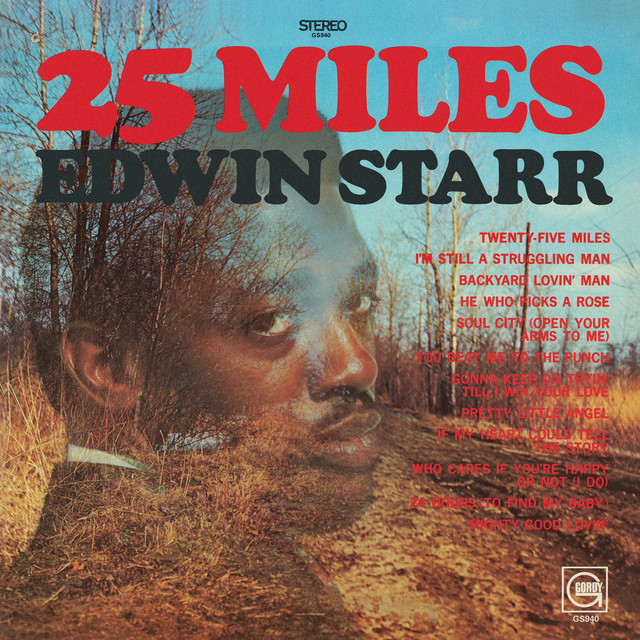
"Twenty Five Miles" was crafted by the songwriting trio of Johnny Bristol, Harvey Fuqua, and Starr himself for his second album of the same name. The song captures a sense of longing and determination, reflecting the struggles of the working class during a turbulent era. Its infectious beat and spirited vocals exemplify the essence of what made Motown music irresistible.
"I'm a-walkin' down the road, and I ain't got nothin' to lose"
This lyric encapsulates the spirit of resilience. It’s a declaration of intent that mirrors the experiences of many who faced socio-economic challenges in the late '60s. Starr's powerful delivery channels the urgency and hope found in the Motown sound.
An Anthem for the Everyman
Unlike some of his contemporaries who focused on romantic themes, Starr’s approach in "Twenty Five Miles" is distinct. The song is an anthem for the everyman, a tribute to the daily grind. The repeated line about walking those miles resonates with anyone who has ever felt the weight of their circumstances.
Interesting fact: The song was a major hit, reaching No. 25 on the Billboard Hot 100 and No. 1 on the R&B charts.
The Social Context of 1969
The late '60s were marked by social upheaval, with civil rights movements and anti-war protests gaining momentum. Starr's music, particularly with tracks like "Stop the War Now," positioned him as a voice of activism. "Twenty Five Miles" doesn’t overtly discuss these issues, but it encapsulates the spirit of a generation seeking change.
Production and Style
The production of "Twenty Five Miles" is quintessential Motown, with its lush instrumentation and rhythm-driven arrangement. The track features funky bass lines, brass accents, and Starr’s dynamic vocal performance, making it a standout in his catalog. The song’s upbeat tempo belies the struggle it conveys, a clever juxtaposition that keeps listeners engaged.
Legacy and Impact
Starr’s work, particularly "Twenty Five Miles," paved the way for future generations of artists who straddled the lines between pop and political commentary. The song remains a staple in soul music history, reflecting the broader narrative of Motown's evolution as it adapted to the times while maintaining its core identity.
"I can't stop walking, I got to get there"
These lyrics not only signify a physical journey but also represent the relentless pursuit of dreams against all odds. It's this fusion of personal narrative with broader societal themes that makes "Twenty Five Miles" a timeless piece of music.