Imagery of Confinement
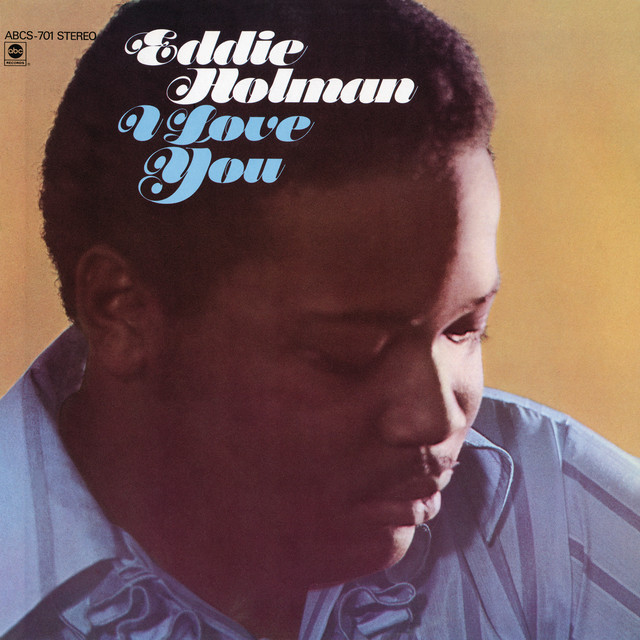
Eddie Holman's "Four Walls," released in 1975, stands as a haunting exploration of emotional confinement, using stark imagery to convey the isolation that accompanies love's absence. The song, a blend of soul and R&B, showcases Holman’s powerful falsetto, imbuing each note with a sense of longing that resonates through its lyrics.
Four Walls as a Metaphor
The titular "Four Walls" symbolize both a literal and metaphorical space where the narrator feels trapped. Holman’s delivery evokes an overpowering sense of claustrophobia, as he sings of missing a lover in a space that should feel safe. The walls are not just physical barriers; they represent the emotional walls built up in the wake of heartbreak.
"I can't escape from the four walls around me"
With this line, Holman articulates a universal feeling of being ensnared by one’s own emotions. The walls become a prison of memories, where every corner echoes past joys turned into sorrows. The imagery is vivid yet simple, allowing listeners to project their own experiences of loss onto the canvas of the song.
Space and Absence
Holman's use of space is particularly striking. While the walls confine, they also highlight the absence of his lover. The empty space within those walls amplifies the narrator's loneliness. As he reflects on the love once shared, the silence becomes deafening. This dynamic is crucial; the absence of sound in a once vibrant environment is a powerful reflection on what love leaves behind.
Contrast with Musical Arrangement
The arrangement of "Four Walls" further intensifies this theme. The lush orchestration, perhaps influenced by the work of contemporary producers like Bill Holman, complements the emotional weight of the lyrics. The strings swell at just the right moments, creating a sense of yearning that mirrors the protagonist's feelings.
Did you know? Eddie Holman is best known for his 1970 hit "Hey There Lonely Girl," which showcases his stunning vocal range.
Isolation in Broader Context
This theme of isolation is not unique to Holman. It echoes throughout music history, from the blues to contemporary pop, where artists grapple with the complexities of love and loneliness. Yet, Holman’s approach is distinct in its rawness. Rather than resorting to metaphors of escape or rebellion, he confronts confinement head-on, offering listeners a moment of introspective reflection.
Conclusion: A Lasting Impact
"Four Walls" remains a powerful commentary on the emotional landscapes we navigate when love falters. Holman’s mastery of imagery and vocal delivery not only captures the essence of personal isolation but also invites listeners to ponder their own experiences within the confines of their emotional walls. In a world where love and loss are often treated with superficiality, Holman's poignant exploration serves as a reminder of the depth of human emotion.