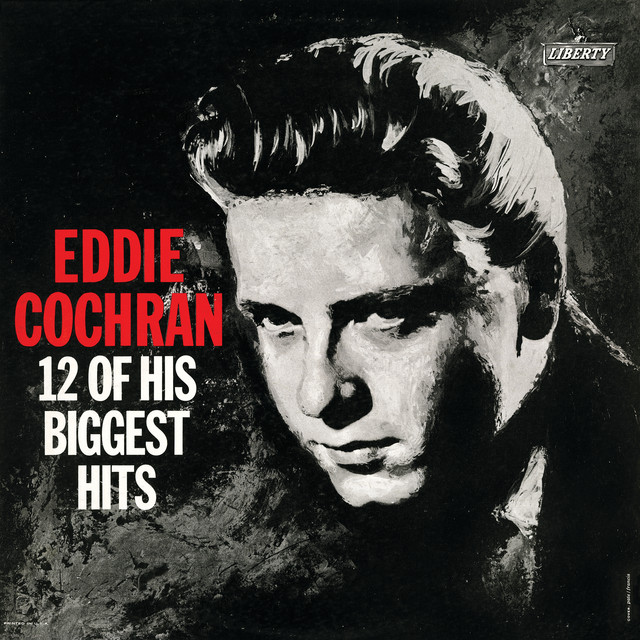
From B-Side to Anthem
Eddie Cochran's "C’Mon Everybody" is often overshadowed by his more famous hit, "Summertime Blues," but its infectious chorus and youthful exuberance make it a defining moment in rock 'n' roll history. Released in 1958 as the B-side to "Love Again," the song quickly climbed to #6 on the UK singles chart, proving that sometimes the less obvious choice makes the biggest impact.
Co-written by Cochran and Jerry Capehart, the song captures the essence of teenage rebellion and desire that was bubbling up in the late 1950s. Its catchy chorus, which invites listeners to "C'mon everybody, let’s get together tonight," became an anthem for youth culture, a call to arms for freedom and fun that perfectly encapsulates the spirit of the era.
The Roots of Rebellion
The chorus of "C’Mon Everybody" didn’t just appear out of thin air. Cochran and Capehart were steeped in the frustrations of their generation, a time when the pressures of conformity and adult expectations were at odds with the desire for liberation. With lyrics that beckon,
, the song speaks to a longing for connection and the thrill of breaking free from the mundane."C'mon everybody, let's get together tonight, I got some money in my pocket, gonna take you out tonight"
During the mid-1950s, rock 'n' roll was emerging as the voice of youthful rebellion. Cochran was at the forefront, experimenting with sound and lyrics that reflected this burgeoning culture. The driving guitar riffs and upbeat tempo of "C’Mon Everybody" are emblematic of this shift, blending rockabilly with the burgeoning pop sound.
A Lesson in Simplicity
Cochran’s genius lies in the simplicity of his lyrics. The chorus is easy to sing along to, making it an instant favorite at parties and dances. This accessibility played a crucial role in its success, as it allowed fans to feel directly involved in the music. The song’s repetitive structure not only reinforces its catchiness but also mirrors the carefree spirit of youth.
Interestingly, the song's infectious energy resonated beyond its initial release. It has been covered by numerous artists, including the likes of The Who and Status Quo, each adding their twist while maintaining the core essence of youthful exuberance.
Legacy of a Timeless Classic
Even decades later, "C’Mon Everybody" stands as a testament to the power of rock 'n' roll. It has become a staple in the genre, often cited as a precursor to the more sophisticated sounds of the 1960s. The song’s ability to encapsulate the spirit of teenage life has made it timeless, resonating with listeners across generations.
The chorus remains one of the most recognizable in rock history, a perfect embodiment of the carefree days of youth. Cochran's invitation to join in the fun is a sentiment that continues to echo, making it a cultural touchstone that transcends its era.
The Unexpected Influence
The irony of "C’Mon Everybody" being a B-side speaks volumes about the unpredictability of music success. While it was initially relegated to the flip side, its popularity grew, showcasing how sometimes the most authentic expressions of youth culture can emerge from unexpected origins. Cochran’s work, particularly this track, paved the way for future rock artists to explore themes of freedom and rebellion, setting a precedent that would influence countless musicians.
As we reflect on Eddie Cochran’s legacy, it's clear that "C’Mon Everybody" is not just a song; it’s a cultural artifact that captures the essence of a generation yearning to break free. Its chorus is a rallying cry, one that invites all of us to embrace the joy of living in the moment.