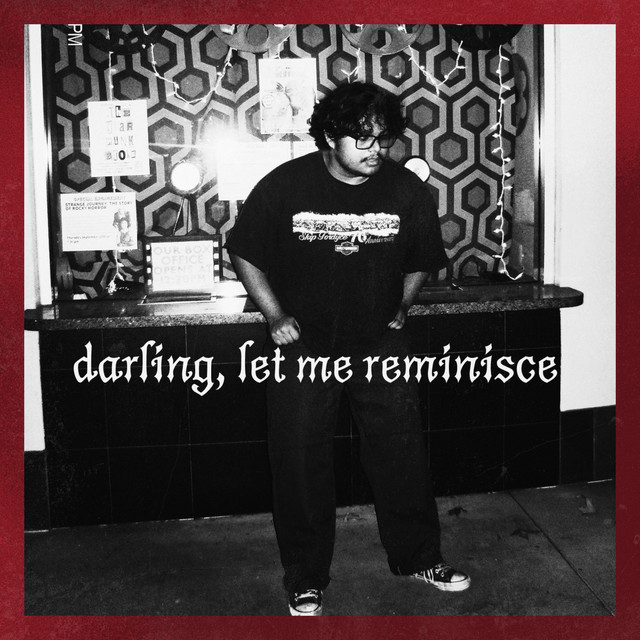
Unpacking Insecurities
In his 2021 track "Ugly Boy," dyego unveils a raw and unfiltered reflection on the insecurities that plagued his childhood. Nestled within the synth-pop soundscapes of his debut album, Growing Pains, he crafts a narrative that resonates with anyone who has ever grappled with self-image. The song's production, marked by shimmering synths and a pulsating beat, contrasts starkly with the heavy themes he explores.
The Weight of Labels
From the outset, dyego confronts the labels imposed upon him, skillfully capturing the essence of a young boy's struggle for identity. His lyrics are both confessional and confrontational, revealing how external perceptions can warp one's self-view. The line,
serves as a powerful reminder that the journey towards self-acceptance is often littered with contradictions."Told I'm ugly, but I see beauty in my flaws,"
Parental Influence and Isolation
In exploring his childhood, dyego hints at the impact of family dynamics on his self-esteem. The absence of affirming voices during formative years can lead to feelings of isolation, a theme that permeates the song. As he sings about the disconnect between his internal world and the external expectations, listeners can sense the weight of that isolation. It’s not just about being called names; it’s about the silence that follows, the lack of recognition of one's worth.
Finding Strength in Vulnerability
One of the most striking aspects of "Ugly Boy" is dyego’s ability to transform vulnerability into empowerment. He doesn’t shy away from his feelings of inadequacy; instead, he confronts them head-on. Lines like
highlight this shift from victimhood to self-acceptance. By reframing his insecurities as part of his narrative, he allows listeners to find solace in their own struggles."Every scar tells a story, every bruise is a badge,"
The Broader Context of Self-Image
dyego's narrative is particularly relevant in an era where social media amplifies insecurities. The relentless barrage of curated images can leave anyone questioning their worth. In this light, "Ugly Boy" becomes more than a personal story; it transforms into a collective anthem for those grappling with self-image issues. The artist’s vulnerability invites listeners to reflect on their own experiences of feeling out of place.
Musical Elements Enhance the Message
The production choices in "Ugly Boy" elevate the lyrical content. The upbeat tempo juxtaposes the heavy themes, creating an engaging contrast that mirrors the duality of confidence and insecurity. This sonic tension captures the essence of dyego's journey—moving from self-doubt to acceptance while still navigating the complexities of identity.
Conclusion: The Journey Forward
Ultimately, dyego’s "Ugly Boy" serves as a reminder that insecurities can shape us but don’t have to define us. His willingness to share his story resonates with listeners who may feel marginalized by their own perceived imperfections. As he continues to evolve as an artist, one can only anticipate how these themes will develop in his future work.
Final Thoughts
In a musical landscape often dominated by superficiality, dyego’s raw honesty in "Ugly Boy" stands out. It’s an anthem for anyone who has ever felt less than beautiful, and a testament to the power of embracing one’s journey towards self-acceptance.