The Context of Creation
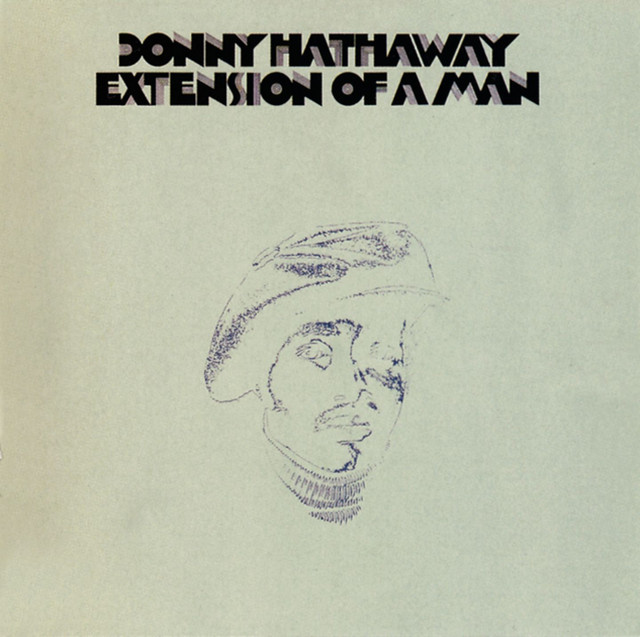
In 1973, amidst the backdrop of the civil rights movement, Donny Hathaway released "Someday We'll All Be Free" as part of his album Extension of a Man. This song was a powerful reflection of the struggles faced by African Americans, echoing the sentiments of hope and resilience that defined the era.
Produced by Hathaway himself, the track was released as the B-side to the single "Love, Love, Love". While it may have been overshadowed by more commercially successful tracks like "The Ghetto", it has since emerged as one of Hathaway's most enduring works.
A Reflection of Struggles
Hathaway's lyrics in "Someday We'll All Be Free" serve as a poignant reminder of the systemic oppression black Americans faced. The song's opening lines evoke a sense of yearning:
This simple yet profound declaration encapsulates the hope of a generation fighting for equality."The time will come, oh, yeah, when we will be free"
As the civil rights movement reached its zenith, the music of the time reflected both the anguish and aspirations of the community. Hathaway’s soulful delivery, combined with a lush arrangement, created an anthem that was not only a personal declaration but a collective call for freedom.
The Personal Struggle
Hathaway's own life was marked by challenges, including mental health struggles and the pressures of fame. These experiences informed not only his music but his perspective on freedom and liberation. In interviews, he expressed a desire to connect with listeners on a deep emotional level. His struggles became a part of his art, making songs like "Someday We'll All Be Free" feel intensely personal yet universally relatable.
Legacy and Impact
The song has since been covered by various artists, becoming a staple in discussions around civil rights and social justice. Its legacy is not just in its melody but in its message: a reminder that the fight for freedom is ongoing. Hathaway’s work continues to inspire new generations of activists and artists, proving that music can be a powerful tool for change.
Interesting fact: Hathaway's "Someday We'll All Be Free" was performed at various civil rights rallies, highlighting its importance as an anthem of hope.
Conclusion
"Someday We'll All Be Free" stands as a testament to the enduring struggle for equality. Hathaway's ability to weave personal and collective experiences into his art not only captures the spirit of his time but also serves as a guiding light for future generations. The song’s powerful message remains relevant today, reminding us that the fight for freedom is a continuous journey.