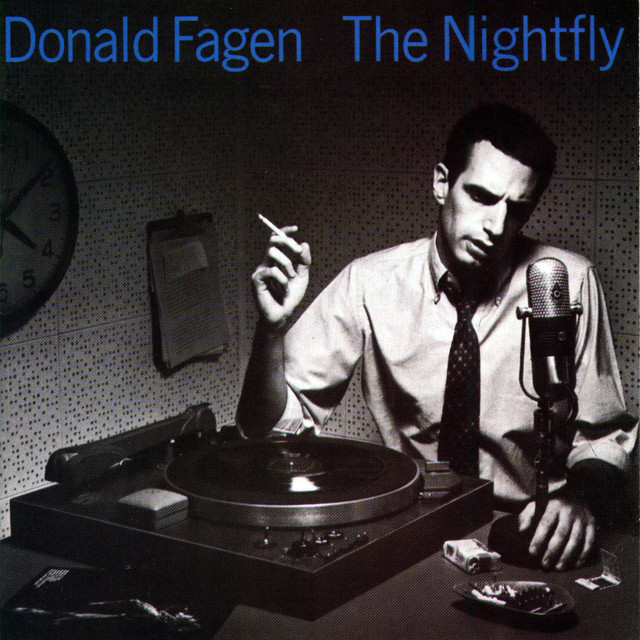
The Futuristic Vision of I.G.Y.
Released on October 1, 1982, as the opener of his debut solo album The Nightfly, Donald Fagen's "I.G.Y. (What a Beautiful World)" stands as a paradoxical ode to optimism amidst an age rife with uncertainty. The track's lush production, courtesy of Gary Katz, envelops listeners in a sonic landscape that mirrors the very dreams of a better tomorrow that Fagen lyrically explores.
Echoes of the 1950s
To fully grasp the depth of "I.G.Y.", one must look back at the cultural zeitgeist of the 1950s and 1960s, periods that inspired Fagen's vision. The song's title references the International Geophysical Year, a 1957-1958 initiative focused on scientific exploration and global cooperation. This context reveals Fagen's yearning for a time when humanity seemed poised on the brink of utopia.
The International Geophysical Year inspired several scientific advancements, reflecting a spirit of optimism and collaboration that permeates Fagen's song.
Fagen's Nostalgia for Mid-Century Optimism
Fagen's lyrics evoke the confident tone of mid-century America, where space-age dreams and technological advancements were at the forefront. Lines such as
suggest a faith in modern architecture and design, indicative of the era's aspirations. This vision starkly contrasts with the disillusionment that followed in the subsequent decades."We’ll build a house of glass and steel"
The Influence of Jazz and Pop
Musically, Fagen's work with Steely Dan laid a foundation that seamlessly blends jazz intricacies with pop sensibilities. "I.G.Y." showcases sophisticated chord progressions and intricate melodies, a hallmark of Fagen’s style that can be traced back to his early influences. The smooth yet complex composition invites comparisons to jazz standards, suggesting that Fagen was not merely creating pop but weaving a rich musical narrative.
The Role of Media and Technology
As a child of the television age, Fagen was acutely aware of how media shapes societal perceptions. The song reflects a longing for a world where technological progress leads to a brighter future. The lyrics,
imply a rallying cry for hope in the face of growing cynicism."I’m gonna fly the flag, I’m gonna light the torch"
The Underlying Cynicism
Yet, beneath this shiny exterior lies a subtle critique of the very optimism he portrays. Fagen's use of irony is palpable, as he juxtaposes the idealistic imagery of a perfect world with the reality of contemporary issues. The line
captures the emptiness that often accompanies fame and success, suggesting that the pursuit of these ideals may lead to disillusionment."And I’ll be a hero, I’ll be a star"
Fagen's Legacy and Modern Resonance
As listeners revisit "I.G.Y.", it resonates with the modern struggle between hope and despair, a reflection of our own times. Fagen's ability to fuse nostalgic elements with biting commentary ensures that the song remains relevant, echoing a persistent desire for a brighter future even amid chaos.
The Forgotten Influences
Understanding the forgotten influences that shaped "I.G.Y." enriches the listening experience. The interplay of 1950s optimism, jazz sophistication, and media critique paints a multifaceted portrait of Fagen as an artist. It’s a reminder that behind the lush melodies and sophisticated arrangements lies a deeper commentary on human aspirations and the complexities of modern life.