A Song Born from Personal Struggles
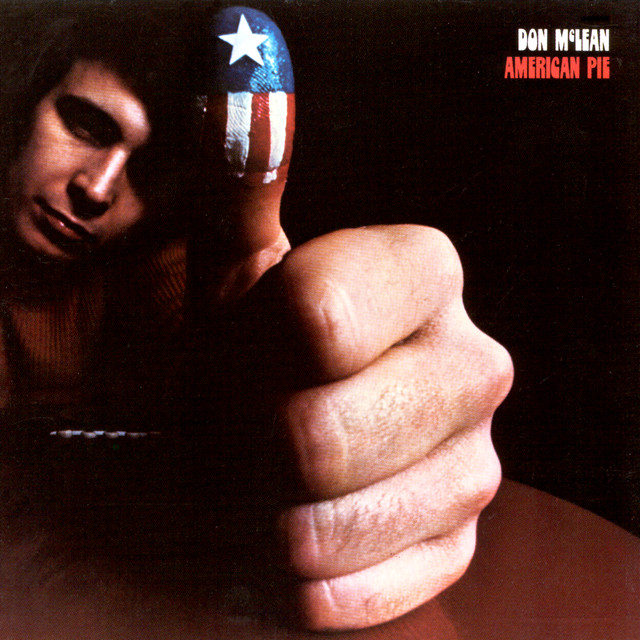
Don McLean's "Vincent," released in 1971 on the album American Pie, stands as a profound reflection of the artist’s own emotional landscape as much as it is a tribute to Vincent van Gogh. McLean, known for his intricate storytelling, channels his empathy through the lens of Van Gogh's tragic life. This song is not merely an ode but a window into the artist's soul, shaped significantly by McLean's own experiences.
Echoes of Personal Turmoil
McLean’s upbringing was marred by instability, losing his father at a young age. This early loss instilled a sense of melancholy that permeates his music. In "Vincent," he mirrors Van Gogh’s struggles with mental health and societal rejection, drawing a parallel to his own feelings of alienation. The line
captures a somber introspection that reflects not just Van Gogh’s emotional state but also McLean's own grappling with sadness."Starry, starry night, paint your palette blue and gray"
Art as a Reflection of Suffering
McLean's choice to write about Van Gogh is telling. The painter’s life, filled with bouts of depression and a quest for understanding, resonates with McLean's own search for meaning. The lyric
encapsulates a sentiment of unrequited love and understanding that is palpable in McLean's life as well. It’s as if he is speaking not only to Van Gogh but also to himself, recognizing the loneliness that accompanies artistic brilliance."For they could not love you, but still, your love was true"
The Weight of Legacy
In a world that often overlooks the sensitive and the misunderstood, McLean elevates Van Gogh’s story. This song serves as a reminder of the struggles faced by artists who are often ahead of their time. McLean’s heartfelt delivery brings a human touch to Van Gogh's legacy, allowing listeners to feel the weight of both their stories. The line
confronts the tragedy of Van Gogh’s suicide with a raw honesty that resonates with those who have faced similar demons."You took your life, as lovers often do"
A Connection Beyond Time
The beauty of "Vincent" lies in its ability to bridge time and experience. McLean's emotional investment in the song is palpable; it is not merely a song about a painter but rather an exploration of the human condition. The reflective nature of the lyrics allows listeners to connect their own feelings of isolation and struggle with the portrayed pain. It’s a testament to how personal experiences can shape art in transformative ways.
Conclusion: The Power of Understanding
Ultimately, McLean's "Vincent" transcends the boundaries of time and art. It’s a poignant reminder of how our personal battles influence our creative expressions. McLean's own life experiences lend a depth to the song that makes it resonate with anyone who has ever felt like an outsider. In this tribute, he not only honors Van Gogh but also reminds us of the beauty that can emerge from suffering.
Did you know? "Vincent" was a standout track from McLean's American Pie album, which has since become a cornerstone of American folk rock.