The Echoes of Rock and Roll
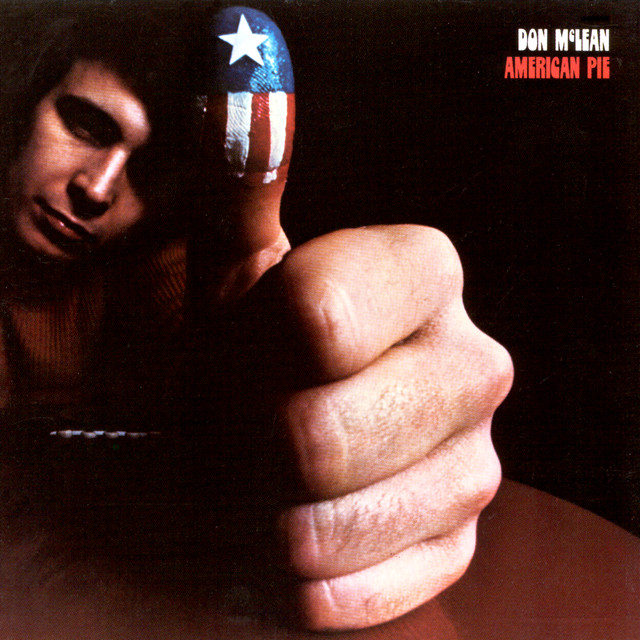
Don McLean's "American Pie" is not just a song; it's a sprawling reflection of a pivotal moment in American music history. Released in 1971 as part of his second studio album, also titled American Pie, the track is a complex narrative that mourns the loss of early rock and roll's innocence. In its nearly eight-minute duration, McLean pays tribute to the artists who laid the groundwork for the rock genre, weaving their legacies into his own musical fabric.
The Day the Music Died
The phrase "the day the music died" directly references the tragic plane crash that killed Buddy Holly, Ritchie Valens, and J.P. Richardson in 1959. This event is not only a poignant marker in rock history but serves as a catalyst for McLean's reflections on the genre's evolution. The song's opening lines echo this sentiment, as McLean laments the fading of an era where music was seen as a beacon of hope and joy.
"So bye, bye Miss American Pie, drove my Chevy to the levee..."
This nostalgia-laden imagery captures the essence of Americana, encapsulating the carefree spirit of the 1950s while contrasting it against the tumultuous backdrop of the 1960s. As McLean recounts his journey through the music scene, he paints a vivid picture of a time when rock was still young and full of promise.
Influence of Icons
McLean's lyrical storytelling is interspersed with references to iconic figures like Bob Dylan and The Beatles, who played a significant role in shaping the future of rock music. Dylan's poetic approach to songwriting paved the way for a more introspective form of rock, while The Beatles revolutionized the way music was produced and consumed. McLean's lyrics reflect this shift: "The jester stole the thorny crown" hints at both Dylan's witty persona and the tumultuous changes that music underwent during this period.
Did you know? McLean wrote "American Pie" in just a few hours, inspired by the cultural upheaval surrounding him.
The Cultural Shift
The 1960s were a time of upheaval, and McLean's lyrics capture the disillusionment of a generation. The carefree days of early rock were replaced by a more complex narrative filled with social change and political strife. Lines like "the players tried to take the field, the marching band refused to yield" symbolize the struggle between the idealism of the past and the stark realities of the present.
As rock music evolved, so did its artists. The rebellious spirit of early rock and roll gave way to more diverse influences, and McLean’s work serves as a bridge between these two worlds. His ability to reference and reinterpret the past allows listeners to appreciate the roots of rock while also grappling with its future.
The Legacy of 'American Pie'
"American Pie" remains a cultural touchstone, a song that not only captures the essence of early rock and roll but also serves as a reminder of its fragility. McLean's narrative is as much about loss as it is about celebration. By invoking the spirits of early rock legends, he crafts a poignant eulogy for a musical era that shaped American culture.
"And while the King was looking down, the jester stole his thorny crown."
With these words, McLean encapsulates the tension between the past and the emerging voices of rock. In doing so, he honors the artists who inspired him while also inviting future generations to reflect on the meaning of rock and roll.
Conclusion
In a world where music continues to evolve, Don McLean's "American Pie" stands as a vital reminder of the foundational figures who paved the way. Through his reflective lyrics, McLean not only memorializes the early rock and roll artists but also challenges listeners to recognize the ongoing impact of their legacy on contemporary music.