Media Sensationalism Under Fire
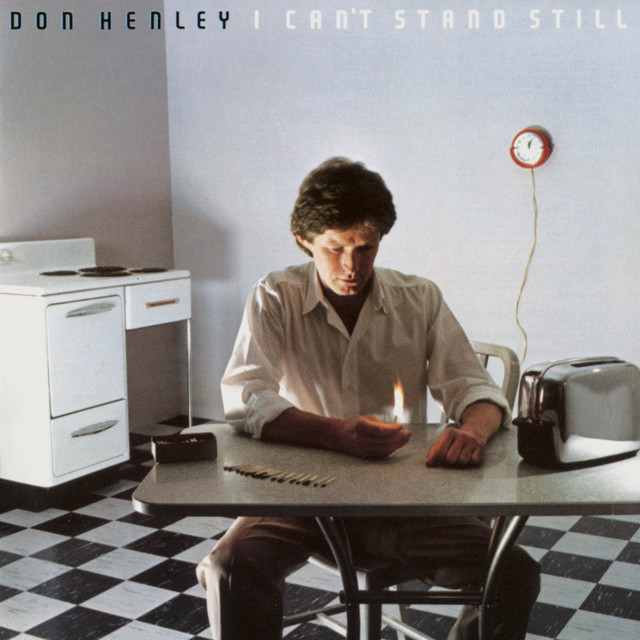
When Don Henley released "Dirty Laundry" in 1982, it was more than just another track from his debut solo album, I Can't Stand Still. The song became a cultural litmus test, challenging the ethics of the media at a time when sensationalism began to overshadow substantive journalism. Henley's lyrics cut through the noise, critiquing how media outlets prioritize scandal over truth.
A Reflection of the Times
The early 1980s were a pivotal moment for American media. Cable news was taking off, paving the way for a new era of reporting that often blurred the lines between news and entertainment. Henley zeroed in on this shift with a biting commentary, highlighting the public’s insatiable appetite for scandal. The chorus—
"We got the bubble-headed bleach-blonde who comes on at five"
—evokes the image of a news anchor who prioritizes style over substance, a sentiment that feels painfully relevant even today.
The Role of the Audience
Henley's critique doesn't just target the media; it also implicates the audience. The song poses a crucial question: how complicit are we in this cycle of sensationalism? The line—
"Dirty laundry, dirty laundry"
—serves as a metaphor for the gossip and tabloid culture that thrives on scandal. By drawing attention to our own consumption habits, Henley forces listeners to confront their role in perpetuating media ethics that prioritize sensationalism over integrity.
Artistry Meets Activism
Musically, "Dirty Laundry" blends rock with a catchy pop sensibility, making its sharp commentary accessible to a mainstream audience. Produced by Henley and Danny Kortchmar, the track combines a driving beat with a memorable hook, ensuring that its message was both entertaining and thought-provoking. The duality of the song's upbeat sound juxtaposed against its serious subject matter invites listeners to consider the harsh realities behind the headlines.
Lasting Impact on Media Discourse
"Dirty Laundry" was a harbinger of the media scrutiny that would intensify in the following decades. Its influence can be traced through the evolution of various media scandals, from the rise of tabloid journalism to the current climate dominated by social media. The song laid the groundwork for future artists to tackle similar themes, inspiring a generation of musicians to question media integrity and ethics.
Legacy in Contemporary Music
Even today, the themes presented in "Dirty Laundry" resonate within the industry. Artists like Taylor Swift and Halsey have echoed similar sentiments in their own work, highlighting the ongoing struggle between personal privacy and public interest. Henley’s incisive exploration of media ethics remains relevant, serving as a reminder that the quest for truth is often compromised by the allure of sensationalism.
Interesting fact: "Dirty Laundry" peaked at No. 3 on the Billboard Hot 100 chart, showcasing its broad appeal and cultural impact.
The Essential Commentary
Ultimately, Don Henley’s "Dirty Laundry" stands as a powerful critique of media ethics in the 1980s, urging listeners to hold both the media and themselves accountable. As the landscape of journalism continues to shift, Henley’s message remains vital, encouraging a more discerning approach to the stories we consume.