The Real Wild West End
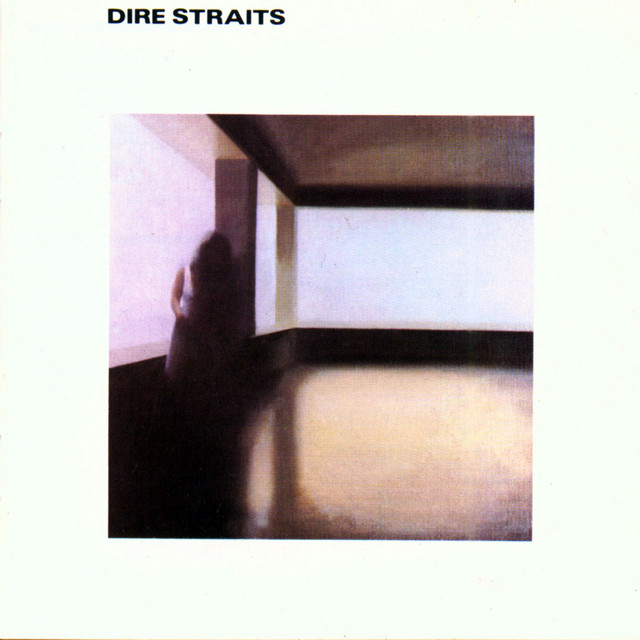
When Dire Straits released their self-titled debut album in June 1978, few anticipated that the haunting track "Wild West End" would serve as a love letter to a forgotten slice of London. This song captures the essence of an area steeped in history, where the shadows of the past linger over the vibrant present.
The Wild West End of the song's title refers not to the American frontier but rather to the bustling, eclectic neighborhoods of Soho and the surrounding areas in London. It’s a place known for its nightlife, sleazy glamour, and a rich mix of cultures, all of which informed Mark Knopfler's songwriting. The lyrics evoke the gritty allure of the streets, as Knopfler paints a vivid picture of life in a city that never sleeps.
Historical Context
London's Wild West End has long been a hub for artists, musicians, and dreamers. In the late 1970s, it was a melting pot of creativity, serving as a backdrop for punk rock, new wave, and the burgeoning British music scene that would soon explode worldwide. Knopfler's observations of this lively environment are steeped in authenticity, resonating with the struggles and aspirations of its inhabitants.
Soho, once infamous for its red-light district, has transformed into a cultural haven, yet remnants of its past still echo in its streets.
Musical Influences
Musically, "Wild West End" stands out from the rest of the album, produced by Muff Winwood. The track features Knopfler's signature fingerpicking guitar style, which mirrors the wandering spirit of the lyrics. The line,
highlights the sense of belonging that permeates the wild, unpredictable atmosphere of Soho."You're a long way from home, but you're never alone"
Dire Straits' sound blends rock, blues, and the narrative storytelling of folk music. This unique combination is evident in Knopfler's lyrical craftsmanship, where he depicts characters and scenes with a few choice words. Each verse in "Wild West End" is rich with imagery, capturing the essence of a bygone era while remaining relevant to the present.
A Reflection of Urban Life
Knopfler’s lyrics are not just a celebration of place but also an exploration of urban life. The mention of the "flickering lights" and "the sound of the city" invites listeners to experience the hustle and bustle, the highs and lows of city living. The Wild West End is a character in its own right, alive with stories that intertwine joy and sorrow.
As the song progresses, the listener is drawn into a world that reflects the loneliness that often accompanies city life. The line,
speaks to the transient nature of urban existence, where connections are fleeting, yet profound."People come and go, and they leave you behind"
Legacy and Impact
Despite its nostalgic undertones, "Wild West End" remains timeless. It serves as a reminder of the vibrant, chaotic beauty that defines urban experiences. Dire Straits may have moved on to greater commercial successes, but this track encapsulates the essence of their debut — a raw, honest portrayal of life.
The song has influenced countless musicians, who recognize the power of storytelling through music. As we listen today, we can trace the roots of Knopfler’s observations back to a specific time and place that shaped not only his career but also the British rock landscape.
Dire Straits has sold over 100 million albums worldwide, making them one of the best-selling music artists of all time.
The Enduring Spirit of Wild West End
As we revisit "Wild West End," we uncover the layers of history that inspired Dire Straits. The song stands as a testament to the power of place, memory, and the artistic spirit that thrives in the heart of London's Wild West End. It is a reminder that every city has its stories, waiting to be told through the lens of those who walk its streets.