From the Streets to the Stage
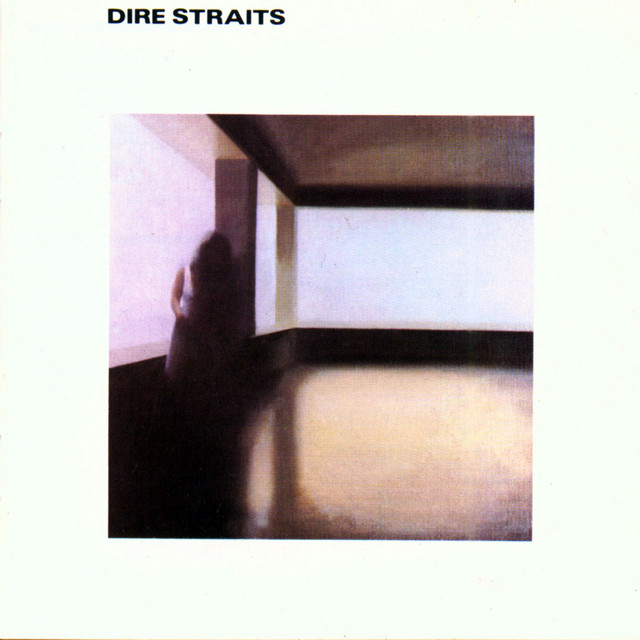
When Mark Knopfler penned "Sultans of Swing," he wasn’t just crafting a catchy tune; he was narrating a slice of life that was intimately familiar to him. Released in 1978 on Dire Straits' self-titled debut album, the song captures the essence of a band playing for the love of music, not for fame or fortune. This sentiment is rooted in Knopfler's own experiences, especially as he walked the streets of London, observing musicians who never quite made it big.
A Band That Played for Passion
The song paints a vivid picture of a band playing in a dimly lit pub, much like the countless venues where Knopfler himself had spent time. The line,
speaks to the dichotomy of ambition versus authenticity. Knopfler, who worked as a journalist before finding success in music, understood the struggle of artists who played for passion, often overlooked by the mainstream."You get a little money, you get a little fame"
Inspired by Real-Life Encounters
Knopfler's inspiration for the song came from an actual experience at a jazz club in London where he encountered a group of musicians who played with unparalleled enthusiasm. Their dedication resonated with him, leading to the creation of the song. The line
reflects this authenticity, a nod to those who find joy in performing, regardless of their audience size."They’re just a bunch of guys, they’re playing in a bar"
The Sound of the Streets
Musically, "Sultans of Swing" is notable for its fingerstyle guitar work, which became a trademark of Knopfler's style. This technique isn't just impressive; it's representative of the very musicians he admired. The song’s laid-back yet intricate sound mirrors the vibe of the pubs where these musicians played, encapsulating their dedication and love for the craft.
Legacy of the Sultans
Over the years, "Sultans of Swing" has evolved into an anthem for those who hustle in the shadows. It has found a place not just in rock history but also in the hearts of aspiring musicians everywhere. Knopfler's ability to channel his experiences into relatable storytelling is what makes this song timeless.
The song hit the charts in 1978, becoming a defining hit for Dire Straits and marking the start of a prolific career for Knopfler.
More than Just a Hit
While many associate "Sultans of Swing" with its catchy melody and guitar riffs, it's the underlying narrative that truly sets it apart. Knopfler's observations on the music scene of the 70s and his reflections on the artists he admired come together to form a rich, lived-in tale. The song stands as a powerful reminder that the essence of music lies not in commercial success, but in the joy of creation and performance.
A Personal Touch
Knopfler's lyricism often draws from his own journey, making him one of rock’s most authentic voices. In a world that often prioritizes fame over artistry, "Sultans of Swing" serves as a rallying cry for the unsung heroes of the music scene. It’s a tribute to the spirit of playing for the love of music, a sentiment that resonates even more today.