The Weight of Heartbreak
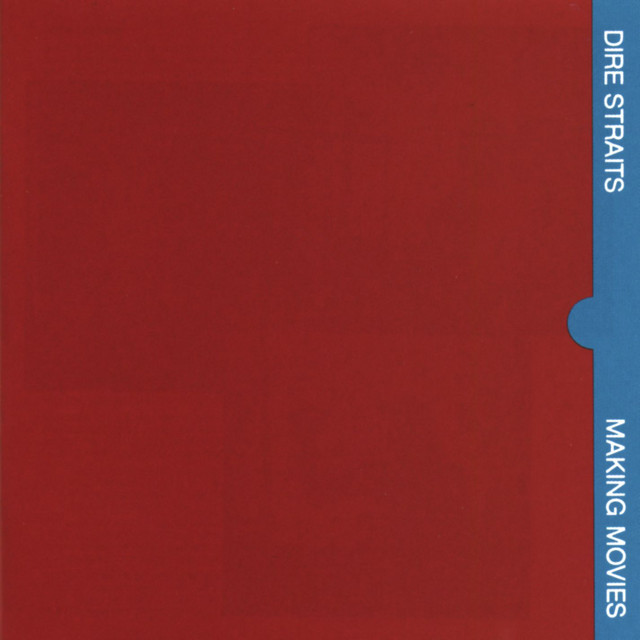
When Mark Knopfler wrote "Romeo and Juliet," he was not just crafting a love song; he was pouring his heart into the narrative of his own romantic struggles. Released in 1980 on the album Making Movies, this track stands as a haunting reflection on love's fragility, driven by the bittersweet sting of personal loss.
A Story Inspired by Real Life
The inspiration for the song can be traced back to Knopfler's breakup with Holly Vincent, a relationship that had a profound impact on him. The emotional turmoil he experienced shines through in the lyrics, which blend Shakespearean themes with contemporary heartbreak. The line,
serves as a desperate plea for connection, encapsulating the raw vulnerability that comes with love."You and me, babe, how about it?"
Musical Elements that Enhance Emotion
Musically, "Romeo and Juliet" showcases Dire Straits' signature sound—melding rock with elements of folk and jazz. The iconic fingerpicked guitar riff is instantly recognizable, creating an atmosphere that feels both intimate and expansive. This musical backdrop serves to elevate the narrative, allowing listeners to feel the weight of Knopfler's words.
The Dichotomy of Hope and Despair
Knopfler's lyrics explore the dichotomy of hope and despair in relationships. Phrases like
encapsulate a sense of longing, making it clear that memories can be both cherished and painful. The song's bridge, where Knopfler reflects on the inevitability of change, connects deeply with anyone who has faced the dissolution of love."And all I do is miss you and the way we used to be"
Legacy and Influence
“Romeo and Juliet” has become a staple in rock music, covered by countless artists, a testament to its universal themes. The song's emotional depth has inspired musicians across genres, proving that personal experiences can resonate far beyond their original context.
Interesting fact: "Romeo and Juliet" was recorded during the sessions for Making Movies, produced by the legendary Jerry Wexler, known for his work with artists like Aretha Franklin.
Cultural Relevance
The song's Shakespearean allusion gives it a timeless quality, making it relevant across generations. The tale of star-crossed lovers is one that transcends time, and Knopfler's modern interpretation allows listeners to relate to the struggles of love in a contemporary setting.
Conclusion: A Reflection of Real Emotions
Ultimately, "Romeo and Juliet" serves not only as a beautiful piece of music but also as a reflection of Knopfler's personal journey through heartbreak. The combination of lyrical depth and musical artistry creates a timeless classic that continues to speak to the complexities of love and loss.