Unpacking the Depeche Mode Dilemma
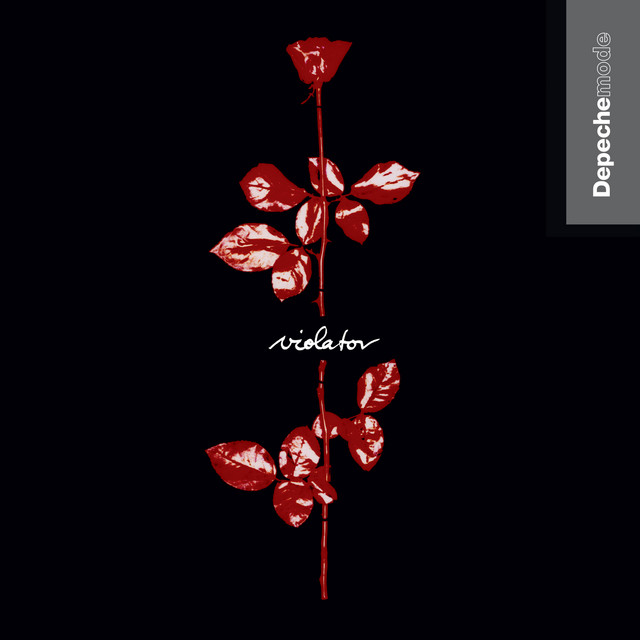
When Depeche Mode released "Policy of Truth" on May 7, 1990, it marked a critical point in their career, appearing as the third single from their seminal album, Violator. The song, with its pulsating synths and haunting vocals, is not just a dance track; it’s an exploration of the complexities of honesty and the pain of betrayal.
Written by the core trio of Martin Gore, Dave Gahan, and Alan Wilder, the track encapsulates the band’s own struggles with trust—both within personal relationships and in the world of music. The lyrics speak to the consequences of unfiltered honesty, suggesting that sometimes, the truth can do more harm than good.
Lyrics that Cut Deep
One of the most striking aspects of "Policy of Truth" is how it reflects the internal conflicts that Depeche Mode faced during the late '80s and early '90s. The line,
captures a sense of cyclical pain, hinting at the band members' experiences with betrayal and disappointment."Never again is what you swore the time before"
This sentiment doesn’t just apply to romantic relationships. It resonates within the band itself, as the members grappled with fame, substance abuse, and the pressures of commercial success. The disillusionment that often comes with honesty is a theme that echoes through their discography, but it reaches a particular depth in this song.
The Shadow of Betrayal
Gore’s songwriting often hints at personal experiences, and "Policy of Truth" is no exception. The exploration of honesty leads the listener to question the very nature of truth itself. In the chorus, the phrase
feels like a bitter lament, as if the band is reflecting on their own unfulfilled desires—both personally and professionally."You’re never gonna get what you want"
The late '80s saw Depeche Mode rise to international fame, but with that came intense scrutiny and pressure. The very notion of trust is put to the test when the industry you’re part of can easily turn adversarial. This song serves as a reminder that honesty is not always the best policy, especially when it leads to heartbreak.
Production and Impact
Produced by Flood, who also worked on the rest of Violator, the sound of "Policy of Truth" is emblematic of the band’s shift towards a more mature sound. The electronic beats, combined with Gahan’s deep, resonant voice, create an atmosphere that feels both seductive and unsettling. This sonic landscape enhances the lyrical content, making the message of the song even more impactful.
Did you know? "Policy of Truth" was one of four tracks from Violator that made it into the Top 20 Depeche Mode songs, solidifying its place in the band's legacy.
A Legacy of Complexity
As part of Depeche Mode’s oeuvre, "Policy of Truth" stands out not just for its catchy melody but for its exploration of serious themes. It reflects the band's turbulent journey, filled with moments of trust and betrayal. The song serves as a reminder that while honesty is essential, it can often lead to more pain than one anticipates.
In today’s world, where transparency is often heralded as a virtue, Depeche Mode’s cautionary tale about the cost of truth feels particularly relevant. The struggles depicted in the song continue to resonate, reflecting not just the band's past but also the ongoing human experience with trust, love, and betrayal.