Contrasting Interpretations Across Cultures
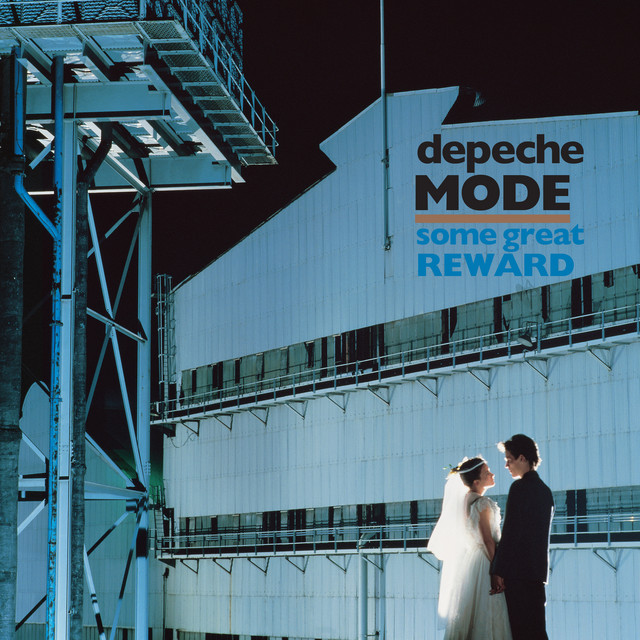
When Depeche Mode released "People Are People" on March 12, 1984, it was a bold statement against discrimination and societal division. The track, which served as the lead single from their fourth studio album, "Some Great Reward," resonated with listeners not just in the UK but across the globe. However, its themes of unity and human connection have taken on diverse meanings in different cultural contexts.
In Western countries, particularly in the UK and the US, the song's message about understanding and acceptance was embraced during a time of significant social change. The lyrics, which highlight the absurdity of prejudice, are often seen as a call to arms against discrimination. The line
serves as an indictment of societal norms that promote division. This direct appeal for unity struck a chord in the 1980s, a decade marked by the AIDS crisis and the Cold War."People are people, so why should it be? / You and I should get along so awfully"
Eastern Interpretations: A Different Lens
In contrast, interpretations of the song in Eastern countries can be markedly different. In places like Japan, where collectivism often overshadows individualism, the focus shifts from the call for universal acceptance to a more introspective understanding of one's identity within a group. The lyrics prompt listeners to reflect on their roles in society rather than merely advocating for broader acceptance. Here, the song resonates as a reminder of the complexities of belonging.
Interestingly, Depeche Mode's music has been particularly influential in Japan, where they have a dedicated following and often perform to sold-out crowds.
Latin America: A Celebration of Diversity
In Latin America, the song has been adopted as an anthem for social justice movements. The powerful lines echo through protests, with the message of equality taking on a more urgent tone amid ongoing struggles against inequality and corruption. The lyric
is a rallying cry for those demanding change, showcasing how a song can morph into a symbol of resistance."We’re all people, and we’re all the same"
In these contexts, the music video, featuring images of war and peace, adds layers of meaning that resonate with audiences facing their own societal challenges. The connection between the song and local issues creates a potent mix of empowerment and solidarity.
The Song's Legacy and Cultural Relevance
As time has passed, "People Are People" has maintained its relevance, continually adapting to the cultural climate of various regions. In Europe, where discussions around immigration and multiculturalism remain at the forefront, the song is often referenced in debates about national identity and inclusivity. Its universal themes encourage listeners to confront their biases, making it a timeless piece.
The song's influence extends beyond music; it has been featured in films, television shows, and even political campaigns, cementing its status as a cultural touchstone.
Conclusion: A Unifying Anthem
Ultimately, the true genius of "People Are People" lies in its ability to transcend borders and adapt to varied cultural narratives. Depeche Mode crafted a song that is not merely a reflection of the 1980s but a timeless commentary on humanity. The differing interpretations across cultures only enrich the song's legacy, proving that while we may come from different backgrounds, the essence of our humanity remains the same.