The Heartbreak That Inspired a Sonic Revolution
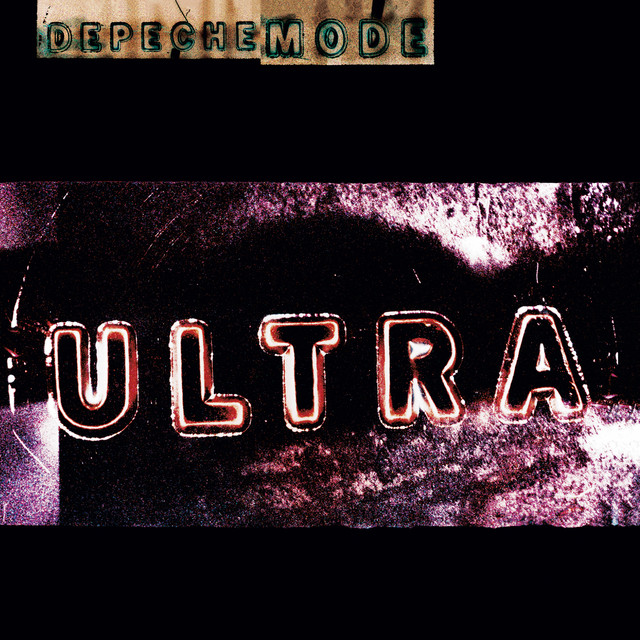
Released on March 31, 1997, as the second single from their album Ultra, Depeche Mode's "It's No Good" stands out as a stark exploration of heartbreak and despair. The song's driving beat and haunting synths are a perfect backdrop for the raw emotional weight carried in its lyrics, which reveal a deeply personal story. This is not just another electronic track; it is a testament to the pain of lost love, crafted during a pivotal moment in the band's history.
Context of Creation
Depeche Mode had been through a tumultuous period leading up to the creation of Ultra. Following the departure of founding member Alan Wilder and the personal struggles of frontman Dave Gahan, the band faced an uncertain future. Gahan's battle with addiction and his own romantic complications provided fertile ground for songwriting that felt more urgent and visceral than ever before. "It's No Good" captures this essence, channeling not only personal heartbreak but also a sense of collective vulnerability.
The Unfiltered Emotion
At its core, the song is about the futility of unrequited love. Gahan's vocal delivery is both resigned and desperate, perfectly complementing the lyrics that echo a sense of helplessness. When he sings,
it conveys a feeling of inevitability, as if he knows the outcome yet remains unable to change it. This duality—between desire and despair—makes the song strikingly relatable."I’m going to take my time, I have all the time in the world"
Production and Soundscapes
Produced by Tim Simenon of Bomb the Bass fame, the track features an innovative blend of electronic elements that enhance its emotional landscape. The pulsating beats and atmospheric synths create a sound that feels both expansive and claustrophobic, mirroring the internal struggle of the protagonist. This sonic richness combined with Gahan's emotive vocals sets "It's No Good" apart as one of Depeche Mode's standout tracks.
Universal Appeal
What makes "It's No Good" particularly compelling is its universal appeal. The song transcends specific personal experiences, resonating with anyone who has faced the pain of unreciprocated feelings. Lines like
suggest that while the journey through heartbreak is painful, there is a glimmer of hope at the end. It’s this balance of despair and potential redemption that gives the song its power."You just have to see through the darkness to find the light"
A Lasting Legacy
As Depeche Mode continues to evolve, "It's No Good" remains a high point in their discography. It not only reflects the band's growth but also serves as a reminder of the emotional depths that can be explored through music. The song's success is a testament to the band's ability to channel personal pain into art that resonates with millions.
Fun Fact: "It's No Good" reached number 5 on the UK Singles Chart and has been covered by numerous artists, showcasing its lasting impact.
Conclusion: The Power of Vulnerability
Ultimately, "It's No Good" exemplifies how personal heartbreak can fuel an artist's creative fire. Depeche Mode's willingness to confront their pain head-on transformed it into a powerful anthem that continues to speak to listeners today. In a world that often shies away from vulnerability, this track reminds us of the beauty found in honesty and emotional expression.