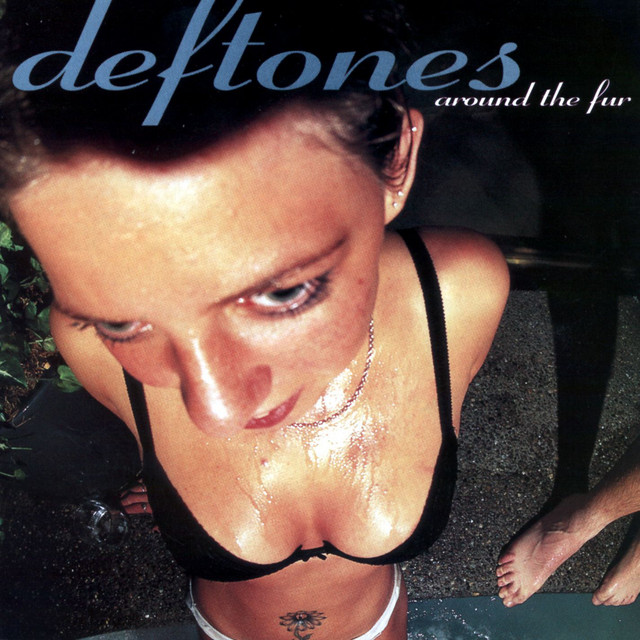
Chaos in Creation
The chaotic production of Deftones' second album, Around the Fur, serves as a raw sonic reflection of the emotional turbulence that permeates its themes. Released on October 28, 1997, through Maverick Records, the album marked a significant evolution for the band, both musically and lyrically. Producer Terry Date's approach—characterized by a blend of heavy distortion, haunting melodies, and dynamic shifts—mirrored the inner conflicts and existential angst explored in the lyrics.
Emotional Turbulence
From the opening track “My Own Summer (Shove It),” the listener is thrust into a maelstrom of angst and isolation. The song's relentless build-up and Moreno's desperate wails encapsulate a sense of urgency, as he sings about feeling trapped in a suffocating existence. The line
illustrates this suffocation, while the frenetic instrumentation underscores the chaos of his emotions."I can't see you, I can't breathe you"
Contrasting Dynamics
The album's title track, “Around the Fur,” further exemplifies this emotional dichotomy. The verses are drenched in a sense of despair, contrasted sharply by the explosive chorus. Moreno's haunting vocals and Stephen Carpenter's heavy guitar riffs create a sound that feels both intimate and overwhelming. The lyric
captures the duality of relationships and the inherent chaos within them. The chaotic production allows listeners to feel the weight of these conflicting emotions as if they are being pulled in multiple directions."I want to be your friend, I want to be your enemy"
The Role of Rhythm
A pivotal moment for the band was Moreno’s introduction of rhythm guitar parts, which added another layer to the album's sound. This move not only showcased his evolving musicianship but also complemented the album's themes of conflict and turmoil. Songs like “Be Quiet and Drive (Far Away)” highlight this evolution, combining melodic elements with heavy instrumentation. The tension in the music parallels the struggle of seeking solace while grappling with one’s inner demons.
Artistic Choices
The frenetic energy throughout Around the Fur is not merely a stylistic choice; it's a deliberate representation of the band's emotional landscape. The production can feel overwhelming at times, much like the feelings of anxiety and confusion that often accompany personal struggles. This chaotic soundscape invites listeners into a space that feels both disorienting and cathartic.
Deftones' Around the Fur was pivotal in shaping the nu-metal genre, influencing countless bands while maintaining a distinct sound that defied easy categorization.
Legacy of Chaos
Retrospectively, the album stands as a landmark in alternative metal, expertly balancing chaos with beauty. The production choices, laden with distortion and reverb, reflect the emotional weight of the lyrics. Tracks like “Lhabia” embody this ethos, where the music feels like a sonic representation of overwhelming thoughts and feelings. The chaotic nature of the production mirrors the complexities of human emotion, making the album not just a collection of songs but a powerful statement on the struggle for clarity amidst chaos.
Conclusion
In Around the Fur, Deftones have crafted a sonic experience that resonates with anyone who has grappled with their own emotional turmoil. The tumultuous production serves as an auditory metaphor for the chaos of life itself, showcasing how music can articulate feelings that often remain unspoken. With this album, Deftones not only defined their sound but also provided a cathartic space for listeners to confront their own chaotic emotions.