Emotional Complexity in a Shifting Era
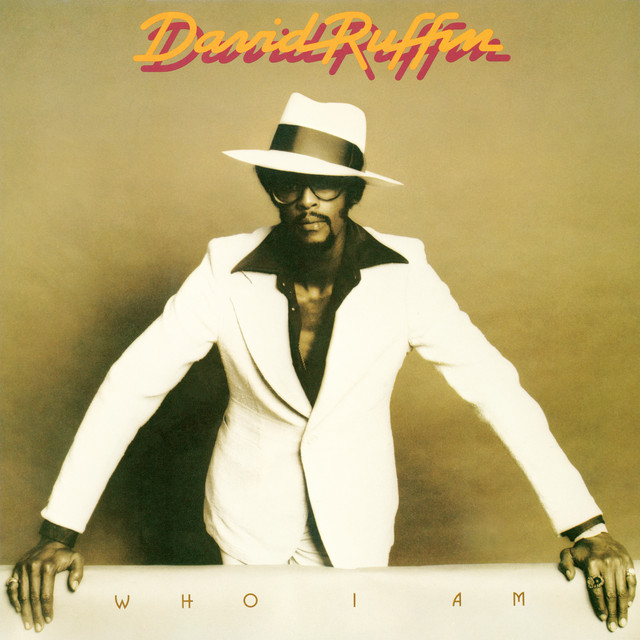
David Ruffin’s 1975 single, "Walk Away From Love," stands as a powerful testament to the tumultuous nature of relationships in the 1970s. Produced by the legendary Van McCoy, the song blends soul and pop with a unique intensity that mirrors the emotional upheaval couples faced during this era. The raw, anguished timbre of Ruffin’s voice encapsulates the pain of love lost, and in doing so, it reflects a profound shift in how love and relationships were perceived.
The Rise of Individualism
The 1970s marked a significant turning point in American culture, with individualism increasingly taking precedence over traditional relationship norms. As people began to explore their own identities, the notion of love transformed. In "Walk Away From Love," Ruffin articulates this struggle with heartbreaking clarity. The line,
captures a pivotal moment of realization, where self-preservation takes priority over the crumbling façade of a once-loving relationship."I can't go on living this way, I just can't do it, I can't keep holding on,"
Breaking Free from Toxicity
The song’s narrative is steeped in the recognition of toxic love, a theme that resonates with the growing consciousness of the time. The 1970s saw the rise of the feminist movement, prompting conversations about emotional well-being and the necessity of healthy relationships. Ruffin's plea in the chorus,
serves as a rallying cry for those trapped in unhealthy dynamics, signaling a cultural shift that encouraged people to prioritize their mental health."I gotta walk away from love, it’s killing me, it’s killing me,"
Societal Pressure and Personal Struggle
The tension between societal expectations and personal desires plays a critical role in the song. In an era where the ideal of lasting love often clashed with the reality of personal fulfillment, Ruffin’s emotional delivery underscores this conflict. The lines
highlight the internal battle many faced—wanting to maintain relationships while recognizing the need for independence."But I can’t let you go, though I know I should,"
The Influence of Disco and R&B
Musically, "Walk Away From Love" embodies the rich soundscapes of the era, bridging R&B and the emerging disco genre. The lush orchestration and rhythmic grooves provide a backdrop that contrasts with the song's heavy lyrical themes. It’s a sonic reflection of a society caught between the joy of liberation and the pain of separation. Ruffin's ability to convey sorrow through such an upbeat arrangement adds layers to the listener's experience.
Legacy of the Song
The impact of "Walk Away From Love" extends beyond its commercial success; it has become a cultural artifact that encapsulates the emotional landscape of the 1970s. As relationships evolved during this decade, so too did the music that documented these changes. Ruffin’s exploration of heartbreak and self-awareness paved the way for future artists to address similar themes.
David Ruffin, once a lead singer of The Temptations, established himself as a solo artist with this hit, showcasing his incredible vocal range and emotional depth.
Conclusion: A Universal Message
Ultimately, "Walk Away From Love" remains relevant today, echoing the timeless struggle of navigating love in a complex world. As listeners continue to grapple with the nuances of relationships, Ruffin's heartfelt delivery reminds us that sometimes, the bravest choice is to walk away. In a decade marked by change, this song serves as a poignant reminder of the ever-evolving dynamics of love.