House Roots and Modern Pop
When David Guetta released "Turn Me On" featuring Nicki Minaj in 2011, it was easy to label the track as just another electro-pop anthem. However, beneath its glossy exterior lies a rich vein of 90s house music influences that are often overlooked. The song's pulsating beat and euphoric drops echo the soundscapes that defined a generation of club music.
The Beat That Binds
At its core, "Turn Me On" is built on the classic house structure, characterized by a four-on-the-floor beat that invites listeners to dance. This rhythmic foundation harkens back to the heyday of house music in the early 90s, where tracks were designed to keep bodies moving on the dance floor. Producers like Frankie Knuckles and Marshall Jefferson would have appreciated Guetta's approach to creating infectious grooves that feel both timeless and modern.
Vocal Dynamics: A Callback to the Classics
Nicki Minaj’s vocal delivery in "Turn Me On" mirrors the diva-led tracks that were staples in 90s house music. Her verses blend rap with melodic hooks, a nod to the genre's tradition of featuring powerful female vocalists. When she declares,
it resonates with the euphoric call-and-response elements found in tracks by artists like CeCe Peniston and Robin S. This interplay of energy and desire feels familiar yet fresh, showing how Guetta reinvigorates past influences."You got me, I got you, feel the energy, now turn me on,"
Sampling and Production Techniques
Guetta’s production style also carries echoes of 90s house through its use of sampling and layering. The synth lines in "Turn Me On" can be traced back to the iconic sounds of house music, blending piano riffs with synth stabs. This technique was a hallmark of 90s producers who crafted anthems that filled clubs around the world. The lush, synthesized chords in the chorus elevate the track, reminiscent of the euphoric highs of classics like “Show Me Love.”
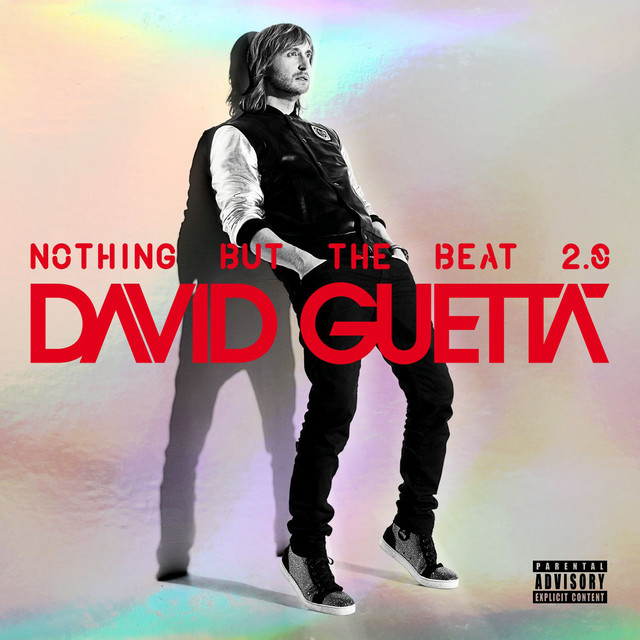
David Guetta's album "Nothing but the Beat" was released in 2011 and marked a significant moment in the evolution of dance music, bridging the gap between house and pop.
Lyrics as a Gateway
The lyrics of "Turn Me On" serve as an invitation to both intimacy and liberation, themes prevalent in 90s house music. The idea of connection through music is present throughout the song, much like the lyrics of yesteryear that celebrated love and unity on the dance floor. Guetta’s ability to weave these themes into a contemporary pop framework is what makes the track so appealing to a wide audience.
A Nostalgic Revival
Listening to "Turn Me On" today, it’s clear that Guetta didn’t just create a hit; he resurrected a spirit that had been dormant in the mainstream for years. The track is a testament to the enduring legacy of 90s house music, reminding us that the past continues to inform the sounds of the present. In this way, Guetta stands as a bridge between generations, crafting music that pays homage while pushing boundaries.
Conclusion: The Cycle of Influence
As electronic music continues to evolve, it's crucial to recognize the hidden influences that shape contemporary tracks. "Turn Me On" is more than just a dance anthem; it's a reflection of the 90s house scene that laid the groundwork for today’s musical landscape. By embracing these influences, David Guetta not only honors the past but also ensures its relevance in the current soundscape.