Struggling with Intimacy
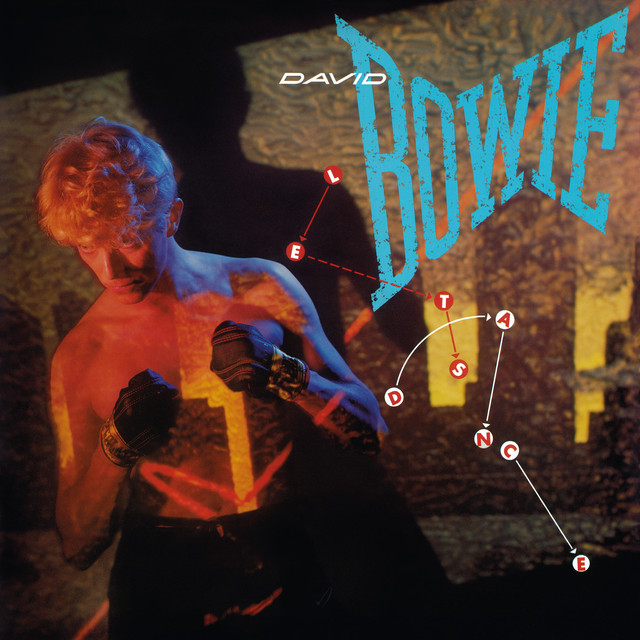
David Bowie's "Modern Love," released in 1983 as the opening track on the acclaimed album Let's Dance, offers a unique glimpse into the artist's personal struggles with the concept of commitment. The song, co-produced by Bowie and Nile Rodgers, radiates an infectious energy that belies the deeper anxieties lurking beneath its surface.
At its core, "Modern Love" grapples with the complexities of relationships in an increasingly detached world. Bowie’s lyrics hint at a tension between desire and the fear of intimacy, a duality that has characterized much of his work. This becomes especially apparent when he sings about the “modern” approach to love — one that feels superficial and fraught with uncertainty.
Lyrics of Conflict
The chorus, with its catchy refrain, masks a more profound conflict:
Here, Bowie articulates a feeling of disconnection, capturing the fleeting nature of modern relationships. The charm may attract, but it lacks depth, leaving a void that many can relate to."There's no sign of life, it's just the power to charm."
As listeners, we’re drawn into a world where the pursuit of love is tinged with apprehension. The line
underscores Bowie's reluctance to surrender fully to vulnerability. It’s a sentiment that reflects his own life, where commitment often felt like an insurmountable hurdle."I don't want to be a fool for you"
A Reflection of Bowie's Life
Throughout his career, Bowie was known for his shifting personas, from Ziggy Stardust to the Thin White Duke, each representing different facets of his identity. However, behind these characters lay a man often at odds with his own desires. The remastering of "Modern Love" in 2018 brought renewed attention to these themes, allowing fans to engage with the song’s lyrical complexity once again.
The 2018 remaster of "Modern Love" breathed new life into the track, highlighting its infectious groove while retaining the raw emotional weight of Bowie's original vision.
Contradictions of Love
The tension between attraction and fear is palpable in the song’s verses, where Bowie describes a world filled with options but devoid of genuine connection. The line
is particularly telling; it suggests a sense of duty rather than desire, reinforcing the idea that societal expectations can overshadow authentic feelings."Modern love gets me to the church on time"
This contradiction is central to Bowie's experience. Despite his fame and success, he often struggled with the nature of his relationships. The pressure of being a public figure complicated his personal life, making genuine connections difficult to navigate. "Modern Love" serves as a powerful commentary on this struggle, resonating with anyone who has faced similar dilemmas.
The Bigger Picture
In the grand scheme of Bowie's discography, "Modern Love" stands out not just for its catchy hooks but for its profound exploration of love's complexities. It invites listeners to reflect on their own experiences with intimacy and commitment, making it a timeless piece.
As we revisit the remastered track, it’s clear that Bowie’s exploration of modern relationships continues to hold relevance. The song's upbeat tempo contrasts sharply with its lyrical content, a testament to Bowie’s ability to blend joy with introspection.
Conclusion
Ultimately, "Modern Love" is more than just a hit song; it’s a candid reflection of David Bowie's internal battles with commitment and vulnerability. The 2018 remaster has allowed a new generation to appreciate these themes, ensuring that Bowie's legacy as a complex and introspective artist endures.