Rhythmic Roots and Early Influences
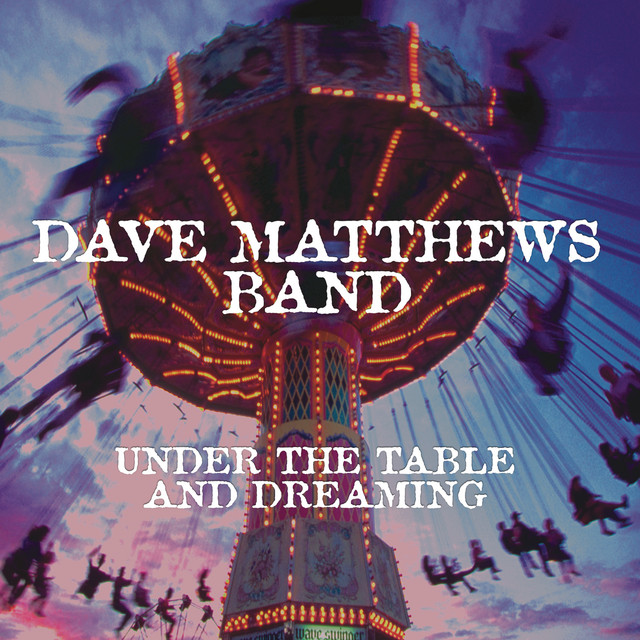
Released in September 1995 as the second single from their debut album, Under the Table and Dreaming, "Ants Marching" stands as a definitive track for the Dave Matthews Band. Its infectious groove is not just a product of the band’s collective musicianship; it echoes the diverse musical influences that shaped Dave Matthews himself. The rhythmic foundation of the song is where these influences come alive, reflecting a blend of jazz, folk, and rock.
Jazz and the Groove
From the very first notes, the song introduces a syncopated rhythm that feels both organic and meticulously crafted. Matthews’ early exposure to jazz is evident in the way he constructs the groove. The interplay between the violin and the guitar is reminiscent of jazz ensembles, where musicians communicate through rhythm and melody. This is no accident; Matthews has often cited jazz musicians like John Coltrane and Miles Davis as pivotal influences in his musical journey.
Folk and Storytelling
The lyrical content of "Ants Marching" is steeped in storytelling, a hallmark of folk music. Matthews’ ability to weave narratives is highlighted in lines that depict the monotony of life:
The imagery of ants marching in unison captures a sense of routine and conformity, reflecting Matthews’ observations of daily life. This folk influence is crucial; it grounds the song in a relatable context while allowing the groove to elevate it above mere storytelling."And the ants go marching one by one, hurrah, hurrah."
Rock Elements and Energy
The rock elements in "Ants Marching" are unmistakable, particularly in the driving rhythm section that propels the song forward. The bass lines, played by Stefan Lessard, add a punchy, percussive quality that complements drummer Carter Beauford's intricate patterns. This synergy creates a lively atmosphere, one that could easily lead to a rowdy jam session. Matthews’ penchant for rock is evident not just in the instrumentation, but also in the overall energy of the performance, which has become a staple at live shows.
The song was a breakout hit for DMB, helping to solidify their place in the 1990s rock scene and paving the way for their distinctive sound.
Live Performances and Evolution
Live performances of "Ants Marching" often extend beyond the studio version, allowing the band to explore the groove more freely. Matthews, alongside his bandmates, improvises and stretches out sections, showcasing their jazz roots and rock background. The live rendition of the song allows for a dynamic interplay, further emphasizing how the groove serves as a canvas for musical exploration.
The Legacy of the Groove
Ultimately, the groove of "Ants Marching" is a testament to Dave Matthews’ eclectic musical influences. It combines jazz, folk, and rock into a unique sound that feels both timeless and contemporary. The song's infectious rhythm and relatable lyrics have made it a beloved classic, one that continues to resonate with fans across generations. In a world where music often feels compartmentalized, Matthews manages to blend genres seamlessly, creating something that is entirely his own.