Classical Influences in a Soul Ballad
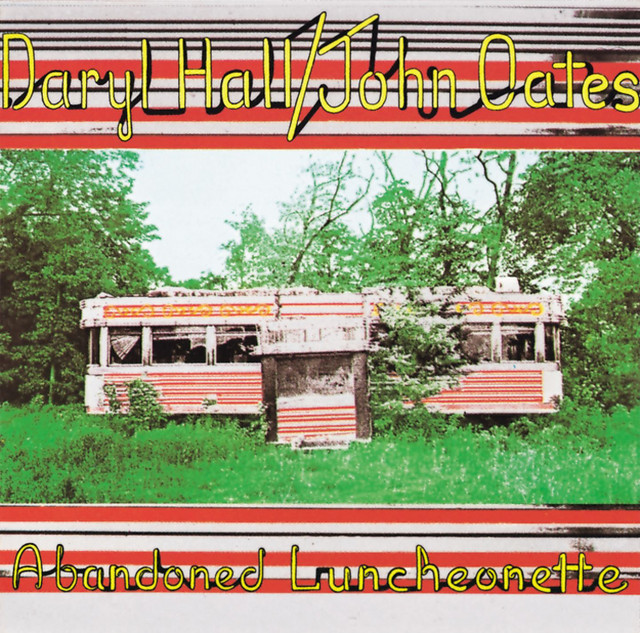
'She's Gone,' a standout track from Daryl Hall & John Oates' 1973 album of the same name, is often celebrated for its lush instrumentation and emotive delivery. At the heart of this soul ballad lies a piano riff that is not just catchy but also hauntingly beautiful, evoking emotions that echo throughout the annals of music history. This riff, simple yet profound, feels as if it could seamlessly fit into a classical composition.
The Piano's Emotional Weight
The opening piano notes set the stage for a narrative steeped in loss and longing. The way the piano cascades through each chord mirrors the emotional turmoil expressed in the lyrics. When Hall sings,
, the piano serves as a sonic companion to his heartache, elevating the emotional weight of the song."Oh, she’s gone, oh, I, I’d better learn how to face it"
A Direct Line to Classical Music
This piano riff resonates with classical music traditions, drawing parallels to the works of composers like Chopin and Debussy. Much like Debussy's impressionistic style, the riff creates a mood rather than adhering to a strict melodic line. It feels fluid, capturing the essence of fleeting emotions and memories, much like how classical pieces often explore the nuances of human experience.
The song was produced by Arif Mardin, who played a significant role in shaping its lush sound, reminiscent of orchestral arrangements.
Creating a Soundscape
It's fascinating how Hall & Oates incorporated elements of classical music into a pop-soul framework. The repeated phrases in the piano riff are reminiscent of motifs found in classical sonatas, where themes are developed and transformed. This technique adds depth to the song, making it more than just a simple ballad; it becomes a complex emotional experience.
Hall's Vocal Delivery
Daryl Hall's vocal delivery also plays a crucial role in the song's haunting quality. His falsetto, particularly in the line
cuts through the atmospheric piano, adding a layer of vulnerability that is both heart-wrenching and relatable. The combination of his voice and the piano creates a dialogue that feels deeply personal."I've been wrong, oh, so wrong,"
The Legacy of 'She's Gone'
'She's Gone' has endured through the decades, often covered by various artists, which is a testament to its emotional resonance. The haunting piano riff continues to inspire musicians, from soul to pop, illustrating how classical influences can permeate different genres. It's a reminder that music is interconnected, transcending styles and eras.
A Lasting Impression
The piano riff in 'She's Gone' is more than just an accompaniment; it's a character in its own right. It shapes the song's narrative, providing the emotional foundation upon which Hall's lyrics build. In a world where songs often prioritize catchy hooks over emotional depth, this track is a refreshing reminder that the heart of music can be both haunting and beautiful.