The Sound of a New Era
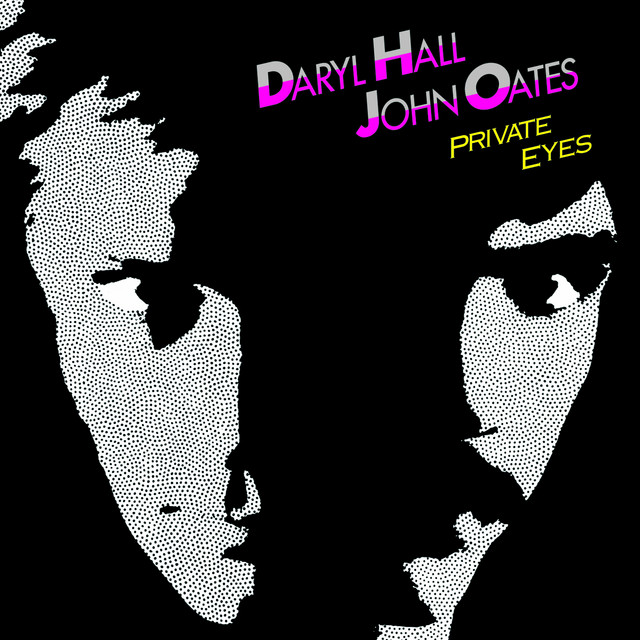
Released in 1981 as part of the album 'Private Eyes', "I Can't Go for That (No Can Do)" stands as a pivotal moment in 80s pop music. Daryl Hall and John Oates, already a powerhouse duo with hits like "Rich Girl" and "Kiss on My List", pushed the boundaries of mainstream sound with this track. The song's production, helmed by the duo themselves, showcased a blend of pop, soul, and R&B that was ahead of its time.
Innovative Production Techniques
What makes "I Can't Go for That" revolutionary is its masterful use of synthesizers and drum machines, a departure from the organic sounds that dominated the previous decade. The iconic opening synth riff is an earworm, immediately drawing listeners in. This was a calculated decision that set the tone for the entire track, blending electronic elements with Hall's soulful vocals.
"I can't go for that, no can do"
The repetition of this lyric serves as both a catchy hook and a declaration of independence, echoing the song's themes of self-assertion. The production amplifies this message through its slickness, making the listener feel empowered yet relaxed.
A Fusion of Genres
Hall and Oates were not just aiming for the pop charts; they were crossing genres. This track's rhythm and groove drew heavily from R&B, seamlessly blending it with pop sensibilities. The smooth bassline and rhythmic complexity were designed to get listeners moving, paving the way for future pop artists to explore similar fusions.
The Legacy of 'I Can't Go for That'
Upon its release, the song skyrocketed to number one on the Billboard Hot 100, solidifying Hall and Oates' place in music history. More than that, it opened doors for the use of electronic instruments in pop music, influencing artists like Prince and Madonna, who would later dominate the charts with their own innovative sounds.
A Blueprint for Future Hits
In the years following its release, "I Can't Go for That" became a template for countless pop songs. The combination of catchy hooks, polished production, and genre blending found its way into the fabric of 80s music and beyond. For aspiring artists, the song serves as a reminder that pushing the boundaries of sound is not just possible but essential.
Interesting fact: The song was later sampled by a variety of artists, including The Weeknd in his hit "I Feel It Coming", demonstrating its lasting influence.
Conclusion
Daryl Hall and John Oates' "I Can't Go for That (No Can Do)" revolutionized the pop landscape of the 1980s with its innovative production techniques and genre-blending sound. Its legacy continues to inspire new generations of artists, proving that great music knows no expiration date.